A plan can fail because the day changed, not because someone lacked resolve. An appointment runs late, the intended preparation window disappears or the journey home takes longer than expected. A backup meal is useful when it answers that practical disruption. It does not need to compensate for earlier eating, restore a score or promise a change in weight.
First disruption: the cooking window disappears
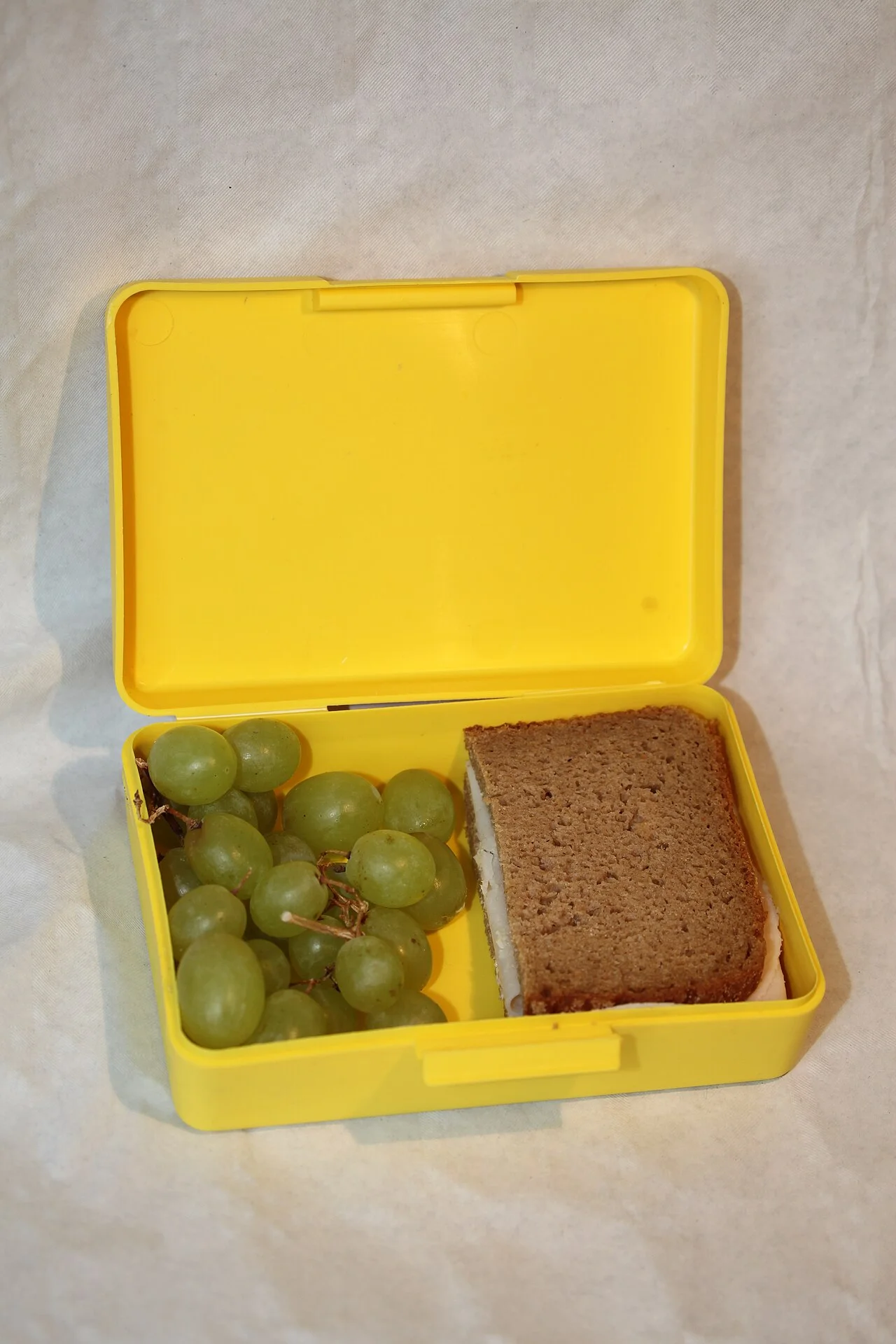
Imagine a person who intended to cook a dish from several ingredients but now has little time beside the stove. One fallback structure is an assembled meal using foods that are already ready and personally suitable: for example, bread, a ready-to-eat bean preparation and vegetables or fruit. The actual products determine storage, ingredients and whether further cooking is required; a generic label such as 'beans' does not settle those details.
This approach changes the amount of preparation rather than assigning virtue to a different food. It may be less appealing than the planned dish, but it avoids pretending the lost preparation time still exists. It also does not require buying a large stock of specialized emergency products that the person would never otherwise use.
Second disruption: the return home is delayed
A different fallback is a properly stored prepared meal that can be used according to its actual reheating instructions. That may fit a late return better than several unopened ingredients. Its usefulness depends on the storage history and instructions, not simply on having a container in the refrigerator.
USDA's leftover guidance includes prompt refrigeration, storage limits and appropriate reheating. Do not keep a questionable leftover because it was designated the backup. If the relevant food-safety conditions cannot be met, choose another appropriate option instead of turning a plan into a reason to ignore them.
Variety can survive a simpler structure
USDA's meal-planning material encourages using existing food, considering schedules and including variety across food groups. Those ideas can support a fallback without requiring every meal to contain the same components. A ready dish might be paired with a suitable fruit or vegetable already available; an assembled meal can vary with what can genuinely be eaten and stored appropriately.
The examples here are independently written planning structures, not tested recipes or a clinical diet. Allergies, cultural preferences, disability-related preparation needs and an individual's healthcare advice may change what is suitable. Nutrient totals and portions are intentionally not prescribed.
The shopping question is practical
Before buying for a fallback, ask which disruption it solves. Does it remove a cooking task, reduce the need for equipment or provide something usable on arriving home? 'Easy' is incomplete if the food still needs a missing ingredient, a tool the person does not have or a preparation period the plan was meant to avoid.
There is also a difference between having a backup and requiring oneself to eat it regardless of circumstances. A plan can change again. The purpose is to make an ordinary meal possible, not create another rule to fail.
Leave the score out
A disrupted day does not need a compensatory restriction plan in this comparison. The useful questions are what is available, what is appropriate for the person and what can be prepared and stored safely. A fallback can be unremarkable and still do the job it was chosen to do.
Sources & further reading
Published sources for the details and examples discussed in this story.