A note about food routines can help a qualified professional understand what everyday eating looks like. It does not have to become a scorecard or a self-imposed diet. Before buying a tracking app or detailed planner, ask the professional what information would be useful and whether keeping a record is appropriate for you. The aim is accurate context for a conversation, not a claim that recording meals is a treatment or that every person should monitor food in the same way.
Agree on the purpose
Clarify the question the record is intended to support. It might concern practical meal timing, access to food, or another issue the professional identifies. Do not assume the purpose is weight loss or that a general article can decide a personal target. NIDDK guidance encourages discussion with a healthcare professional when considering weight management and suitable programs. If tracking feels distressing or you have an eating-disorder history or concern, raise that before starting rather than forcing yourself through an uncomfortable exercise.
Record an ordinary day honestly
If a record is recommended, follow the requested format and duration. Include the relevant details without editing the day to make it appear more impressive. A rushed lunch or an unexpected schedule change may be useful context precisely because it reflects real life. Avoid assigning moral labels to meals. The information is for understanding patterns and constraints, not proving that you deserve support. If you forget an entry, mark the uncertainty rather than inventing a precise account later.
Include practical conditions when requested
Work hours, cooking facilities, budget, transport, caring responsibilities, and food preferences can affect what is possible. Note the context the professional asks about rather than collecting every imaginable metric. A plan that ignores access and routine may be difficult to use, however polished it looks. Keep medical questions separate and ask for qualified advice about them. Do not interpret a single day's note as evidence of a diagnosis or use a generic online calculator to replace individual assessment.
Choose a low-friction format
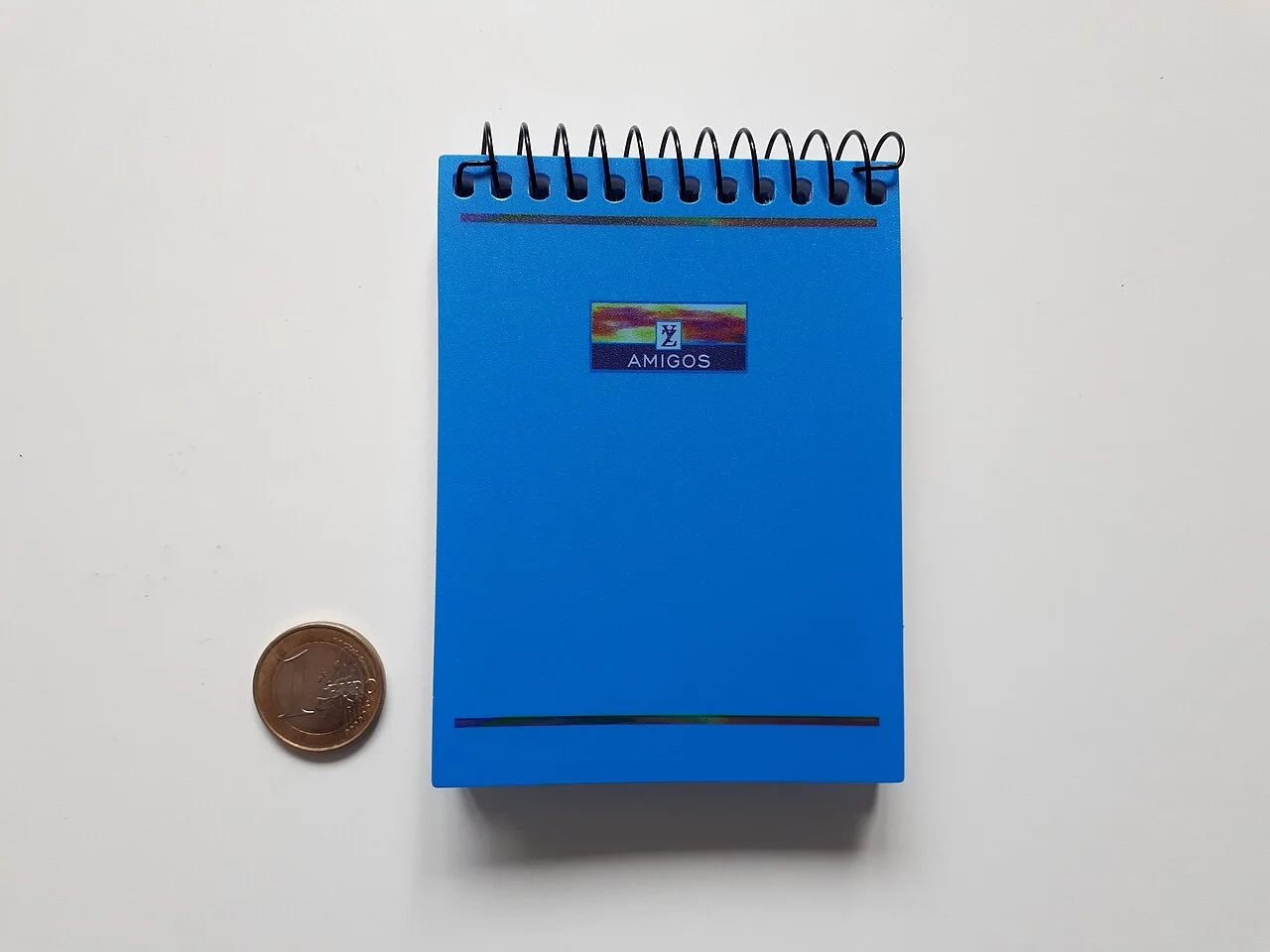
A plain notebook, a printed sheet from the service, or an appropriately secure digital note may be sufficient. If considering an app, check the information it collects, sharing settings, cost, renewal terms, and how data can be accessed or deleted. Avoid paying for automatic scores or targets that were not part of the professional's request. More numerical detail is not automatically more useful. The best tool is one that records the agreed information accurately without adding unnecessary pressure or complexity.
Take the questions back to the professional
Bring the record and identify what was difficult to capture or manage. Ask what, if anything, should change and how to understand the advice in your circumstances. Do not start supplements, stop treatment, or adopt a restrictive plan because an app supplies a generic suggestion. If the record has served its purpose, ask whether continued tracking is needed. A useful diary can be temporary. Its value lies in a clearer conversation and suitable next steps, not in maintaining a permanent streak of perfect entries.
Sources & further reading
Published sources for the details and examples discussed in this story.