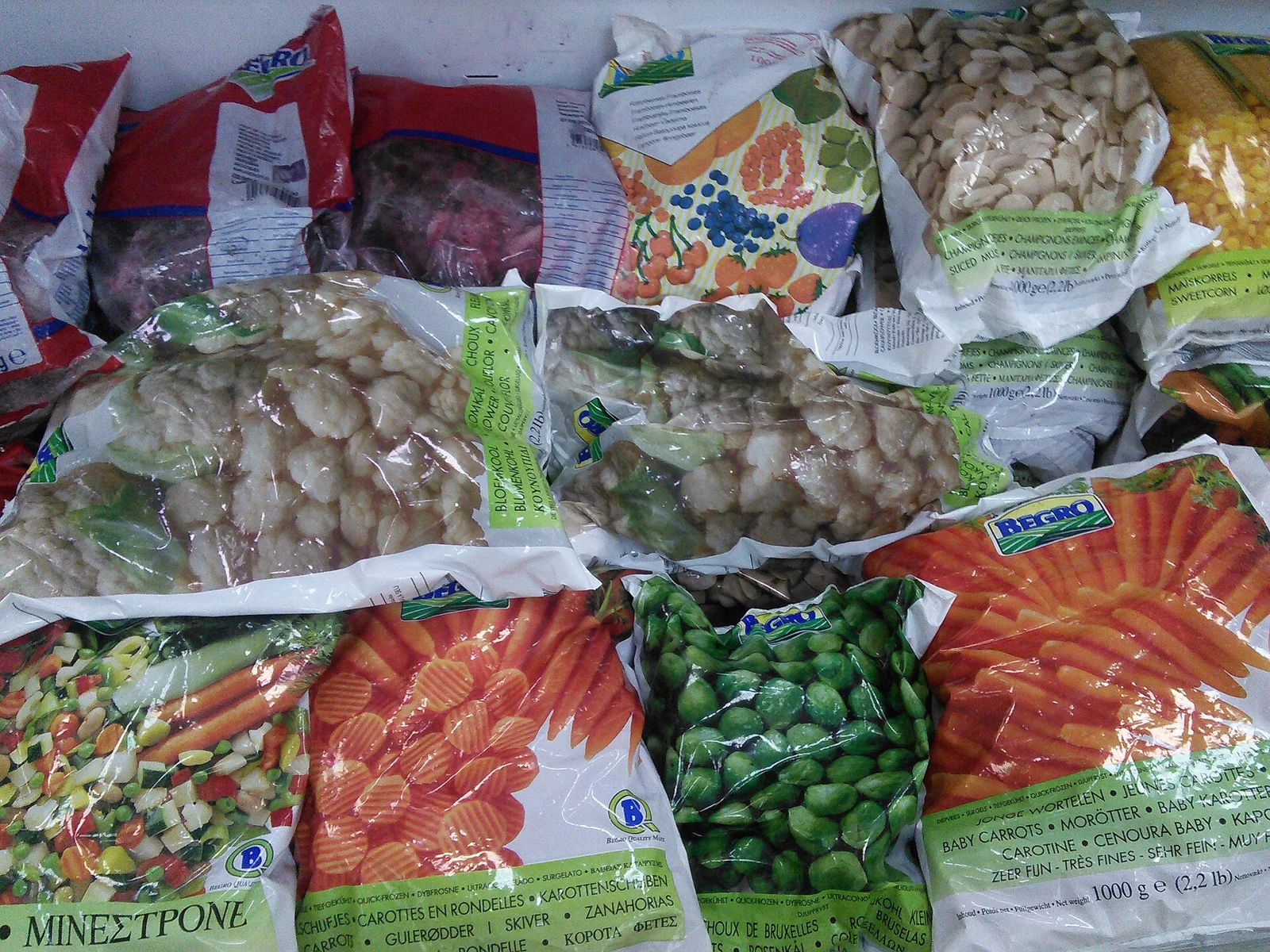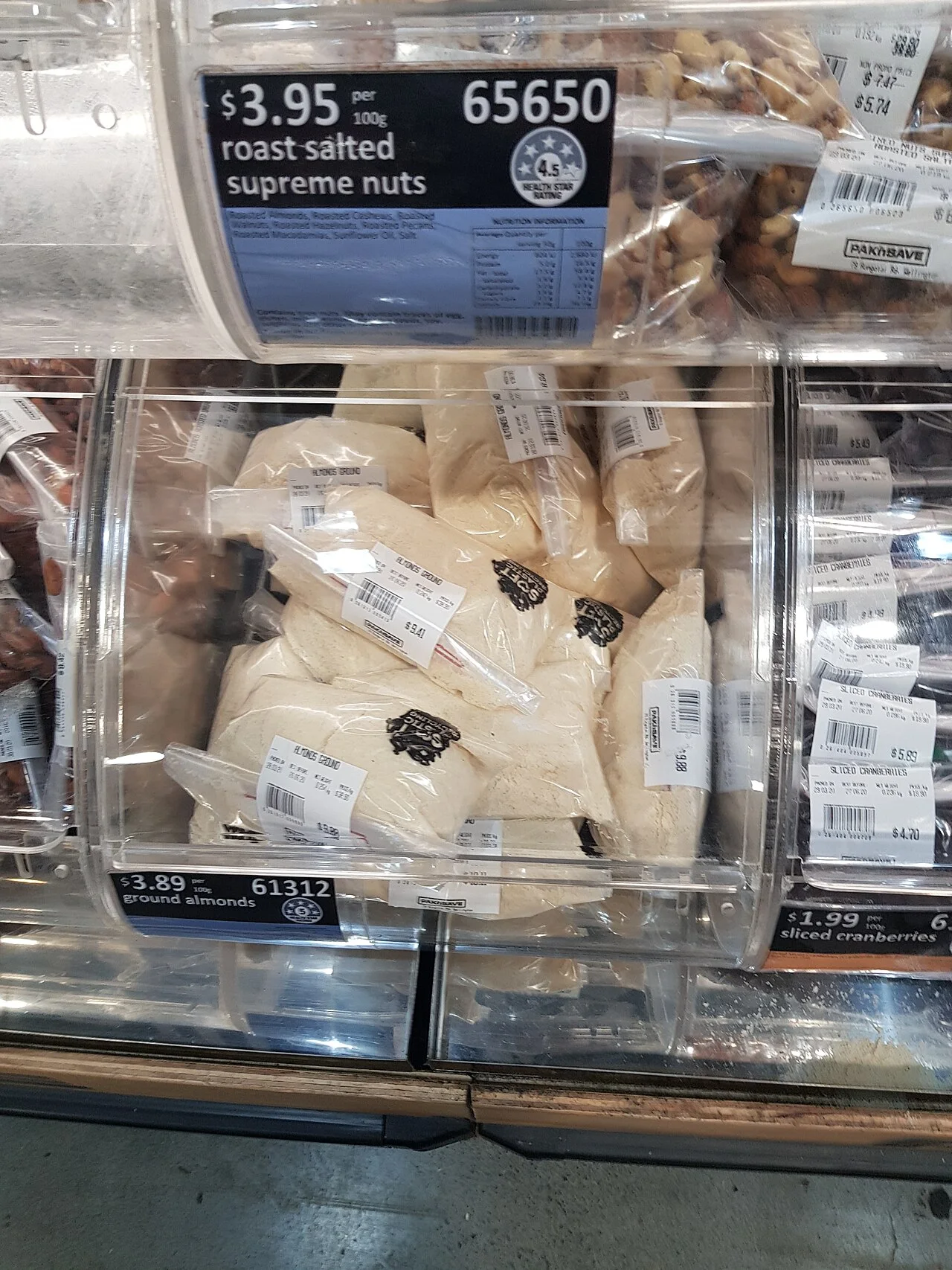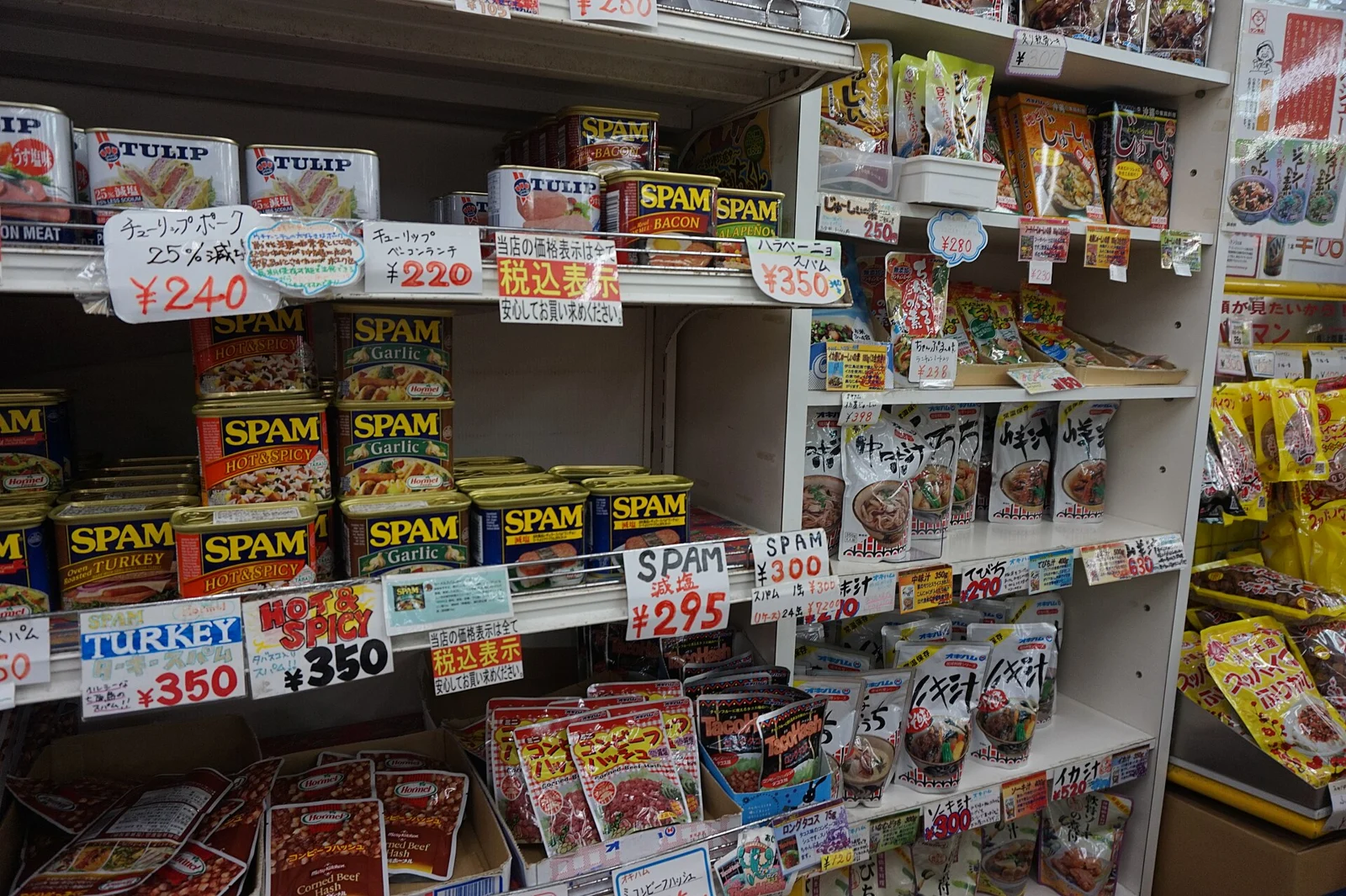
A cupboard of canned food can make ordinary meals easier, but the label still deserves a closer look than the front photograph. Similar cans may contain different quantities, sauces, seasonings, or serving information. Compare products around the meals you intend to make and the information relevant to your needs. A single number cannot tell you whether an entire food is a good purchase, and a general shopping guide cannot set individual dietary targets for a medical condition.
Identify the food's role
Decide whether you need an ingredient, a complete dish, or something to keep for a specific meal. Beans for a recipe and beans in a prepared sauce may suit different tasks even when the packages look related. Check ingredients and allergen information on the current can. If you are following professional dietary advice, use the targets and instructions given for your circumstances rather than borrowing a general rule from a product advertisement. Keep taste and realistic preparation time in the decision too.
Check the quantity behind the comparison
Read serving size and servings per container. The FDA explains that serving size describes amounts typically consumed rather than a recommended personal portion, and nutrient figures generally relate to the listed serving. Compare equivalent quantities before deciding that one product has less sodium or more fiber. Pay attention to any drained-weight or preparation information relevant to the product. A larger can may have a lower price per unit while offering more than you can use appropriately after opening.
Use Daily Value as a general tool
The FDA describes five percent Daily Value or less per serving as low and twenty percent or more as high. That can help you compare a nutrient of interest, but it does not create a complete rating of the meal or a personalized plan. Read the rest of the panel and the ingredient list. If a front label emphasizes one desirable feature, check whether another aspect matters to your own purchase. Avoid treating one favorable percentage as permission to ignore the product's overall role.
Inspect packaging and storage guidance
The FDA advises checking canned goods for damage such as swelling, leakage, or serious damage and keeping food away from household chemicals. Read the storage instructions and follow appropriate advice after opening. Do not rely on appearance or smell alone to establish food safety. If a can or its contents raises a safety concern, use official guidance rather than experimenting with a taste test. Keep the label available if transferring appropriately stored leftovers so the food remains identifiable.
Buy quantities that support actual meals
Plan a few uses before taking advantage of a multipack. Compare the complete price and useful quantity, including how leftovers would be handled under the product and official storage guidance. Place new purchases in an arrangement where existing stock remains visible. A simple cupboard note can prevent repeated purchases of the same ingredient while another needed item is missing. The goal is a useful meal reserve, not an impressive row of cans bought because they were inexpensive individually.
Sources & further reading
Published sources for the details and examples discussed in this story.