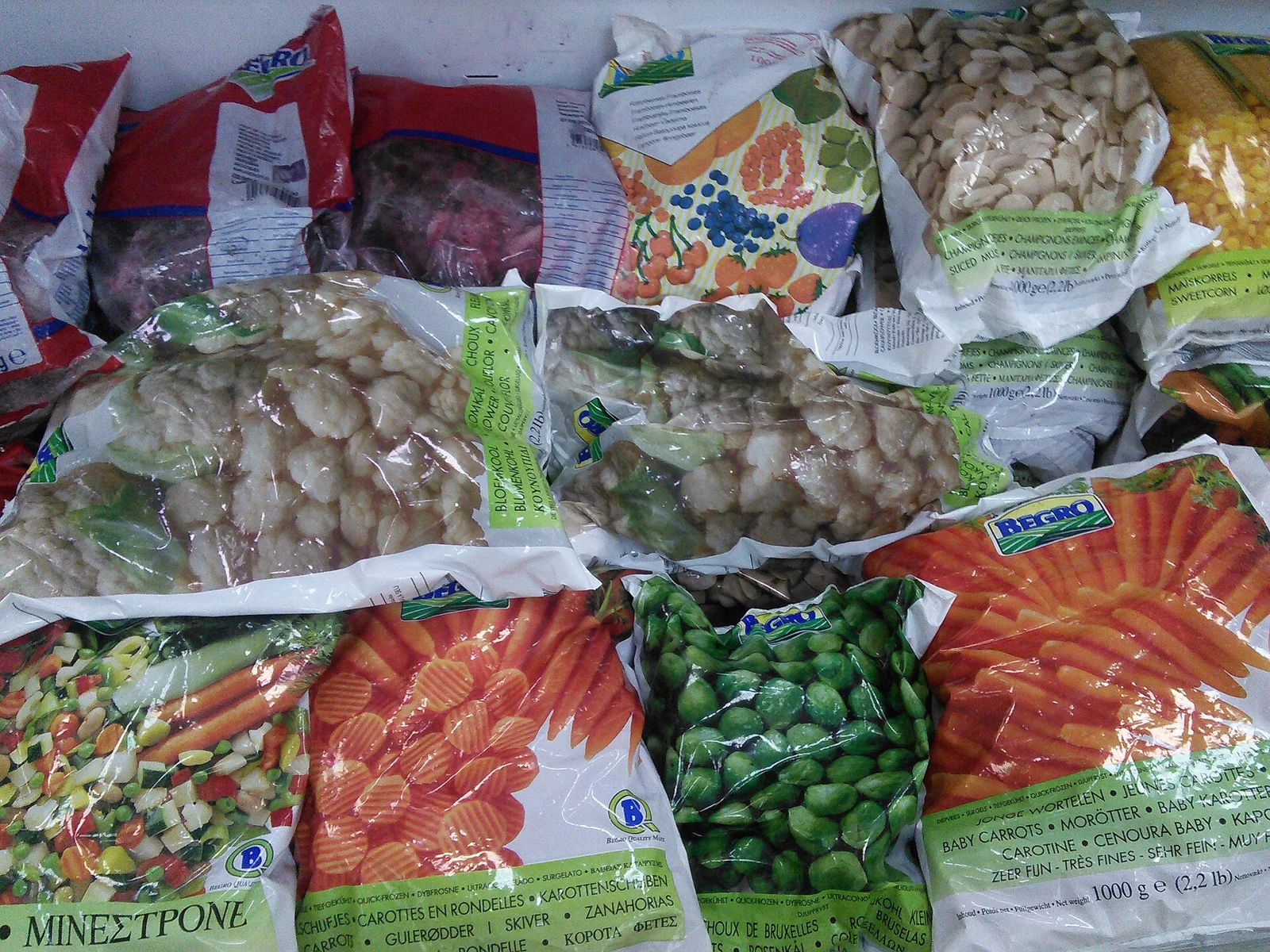
Frozen vegetables can be a practical cupboard-and-freezer planning choice when the package suits the meals you cook. The decision is less useful when a large bag has no clear role or gets lost behind other food. Before comparing offers, look at your actual freezer space and a few ordinary dinners. Choose products around preparation instructions, usable quantities, and the information on the label, rather than assuming every green package offers the same contents or convenience.
Choose a meal role
Decide whether the vegetables are intended for a stir-fry, soup, side dish, or another meal you already prepare. Check the cut size and mixture rather than relying only on the product name. A blend may be convenient when all its ingredients suit the meal, while a single vegetable gives you more flexibility in another situation. Avoid buying a large assortment to fulfill an abstract idea of better cooking. One or two products with a clear place in the week's meals are easier to use deliberately.
Read ingredients and preparation information
Check whether the package contains only vegetables or also sauce, seasoning, or other additions. Use the Nutrition Facts panel when comparing the aspects that matter to your choice. The FDA explains that nutrient figures usually refer to the listed serving and that serving size is not a recommended portion. Compare equivalent amounts before deciding one product contains less of a nutrient. If allergens are relevant, read the current package directly rather than relying on a remembered formulation or an older shopping list.
Follow cooking and storage directions
The FDA advises following cooking instructions on commercially frozen foods to help ensure safety. Do not assume a frozen product is ready to eat simply because it looks like a familiar ingredient. Check the required preparation method and whether it fits your equipment and available time. Follow appropriate food-handling guidance separately. A convenient package is only convenient when you can prepare and store it as directed, and freezing does not make every possible handling practice safe.
Compare useful quantities
Look at the package weight, price, and how much you typically use for the intended meal. A larger bag may have a lower unit price while still being awkward in a small freezer. Check whether the opening can be managed according to the packaging instructions and how you will keep the contents identifiable. Do not crowd storage merely to reach a promotion's minimum spend. The right quantity is one that fits both the meal plan and the available storage conditions.
Keep a short freezer inventory
Write down what you have and the relevant package information in a form you can update. Keep items organized so they do not become an unseen collection. FDA guidance emphasizes proper freezer temperatures and following storage directions; use an appropriate thermometer and the appliance's instructions where relevant. Plan the next meal from what is already present before adding another bag. A useful freezer supports repeatable cooking, not a separate project of preserving every special offer you encounter.
Sources & further reading
Published sources for the details and examples discussed in this story.