A new hair tool can appear to promise a simpler morning, but its usefulness depends on the routine, technique, and product instructions around it. Before comparing launch campaigns, decide what you want to change about your current approach. A different attachment or a more expensive model is not automatically a solution to a hair or scalp concern. This guide addresses practical buying questions and general hair-care information, not diagnosis or a treatment recommendation.
Identify the task you want to improve
Write down whether the issue is handling, storage, drying, or achieving a particular style. Keep those practical questions separate from concerns such as hair loss, pain, or a persistent scalp problem, which need appropriate professional advice. Think about how often you actually want to style your hair and which steps you are willing to learn. A tool that suits an elaborate routine may be a poor purchase if your main priority is a short, familiar process.
Keep heat claims in perspective
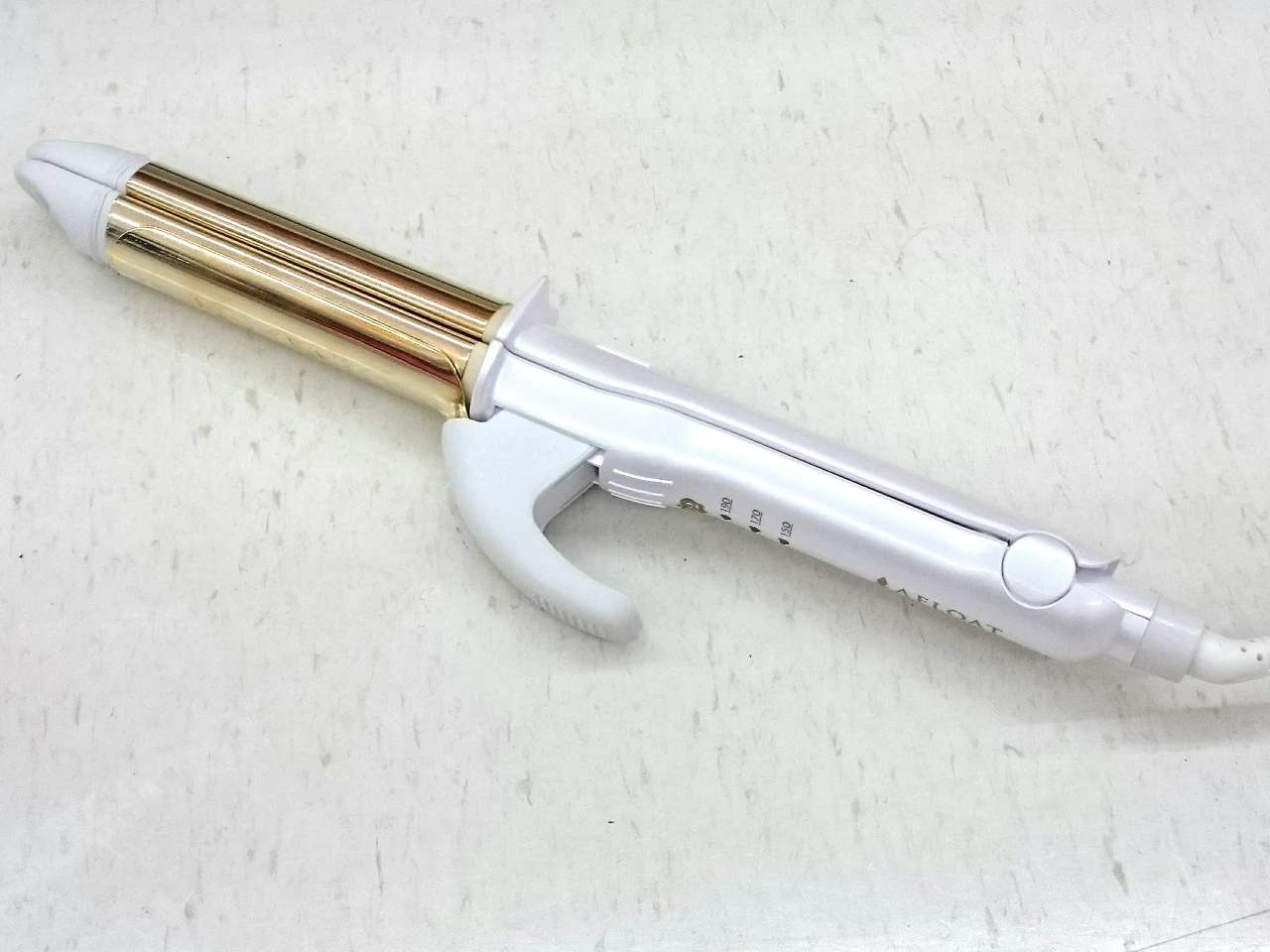
The AAD advises limiting excessive heat and using low or medium settings as part of general hair care. A claim of advanced technology does not mean you can ignore the manufacturer's directions or your hair's response. Compare the exact model's settings and intended use rather than assuming a premium price establishes gentleness. Do not turn a retailer demonstration into evidence of long-term outcomes. If you have a specific concern about suitable use, ask a qualified professional who can assess your situation.
Check handling and instructions
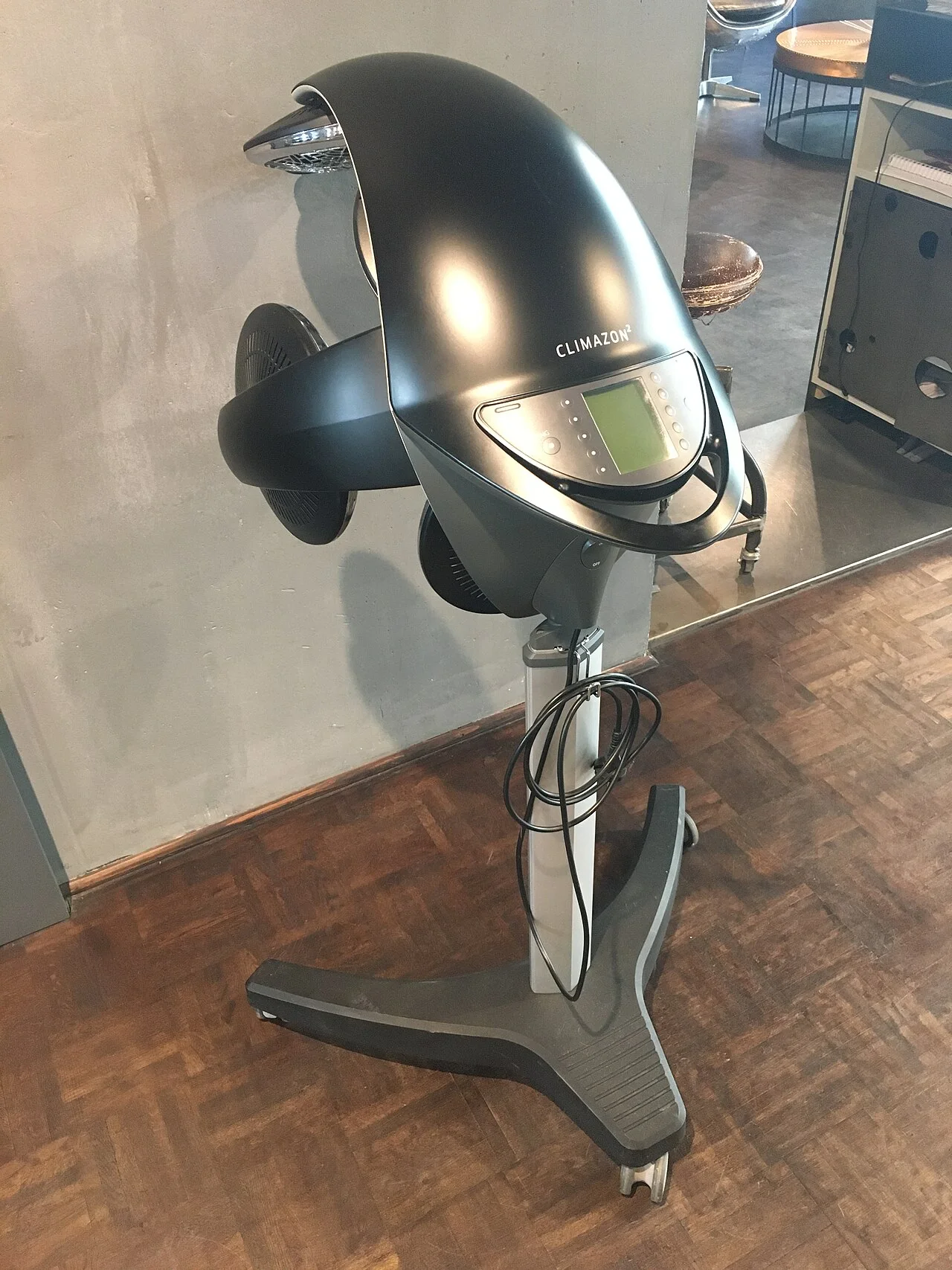
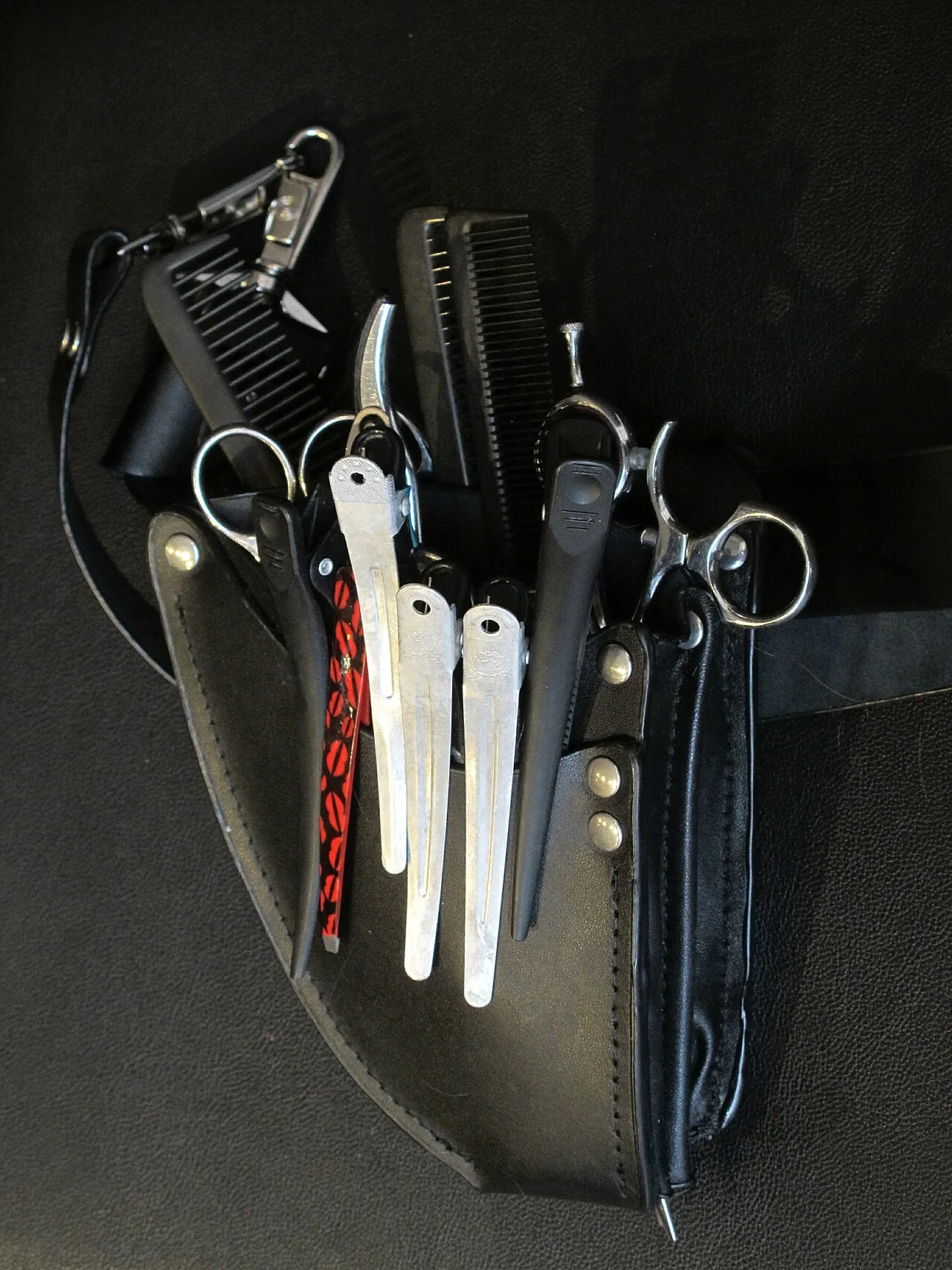
Read the product's weight, dimensions, controls, attachments, and maintenance requirements. If possible, assess handling through an appropriate display without treating a brief hold as a performance test. Think about reaching controls, storing accessories, and following cleaning instructions. For electrical equipment, check the manufacturer's voltage and location requirements and follow safety warnings. Do not assume a travel adapter makes every tool suitable for every destination. Suitability depends on the actual electrical specifications and directions, not only the plug shape.
Price the complete routine
Check which accessories are included and whether a displayed result relies on separately purchased products or techniques. Compare complete cost, warranty terms, and the current return policy, including restrictions after use. A bundle is only useful if its components have roles you want. Avoid buying several attachments because they are presented as a saving when you would not choose them individually. If an existing tool works properly and the missing step is technique, learning from a qualified stylist may be a more focused next action than replacing the equipment.
Give the decision a realistic test
Before buying, ask how the tool fits the available time, storage, and care routine. Keep the model details and instructions if you proceed, and follow them rather than improvising higher settings to speed things up. If use causes a concern, stop and seek appropriate advice. A successful purchase should make a defined task more manageable without encouraging unsuitable use or an endless chain of follow-on products. Let the ordinary morning, not the launch video, be the measure of practical value.
Sources & further reading
Published sources for the details and examples discussed in this story.