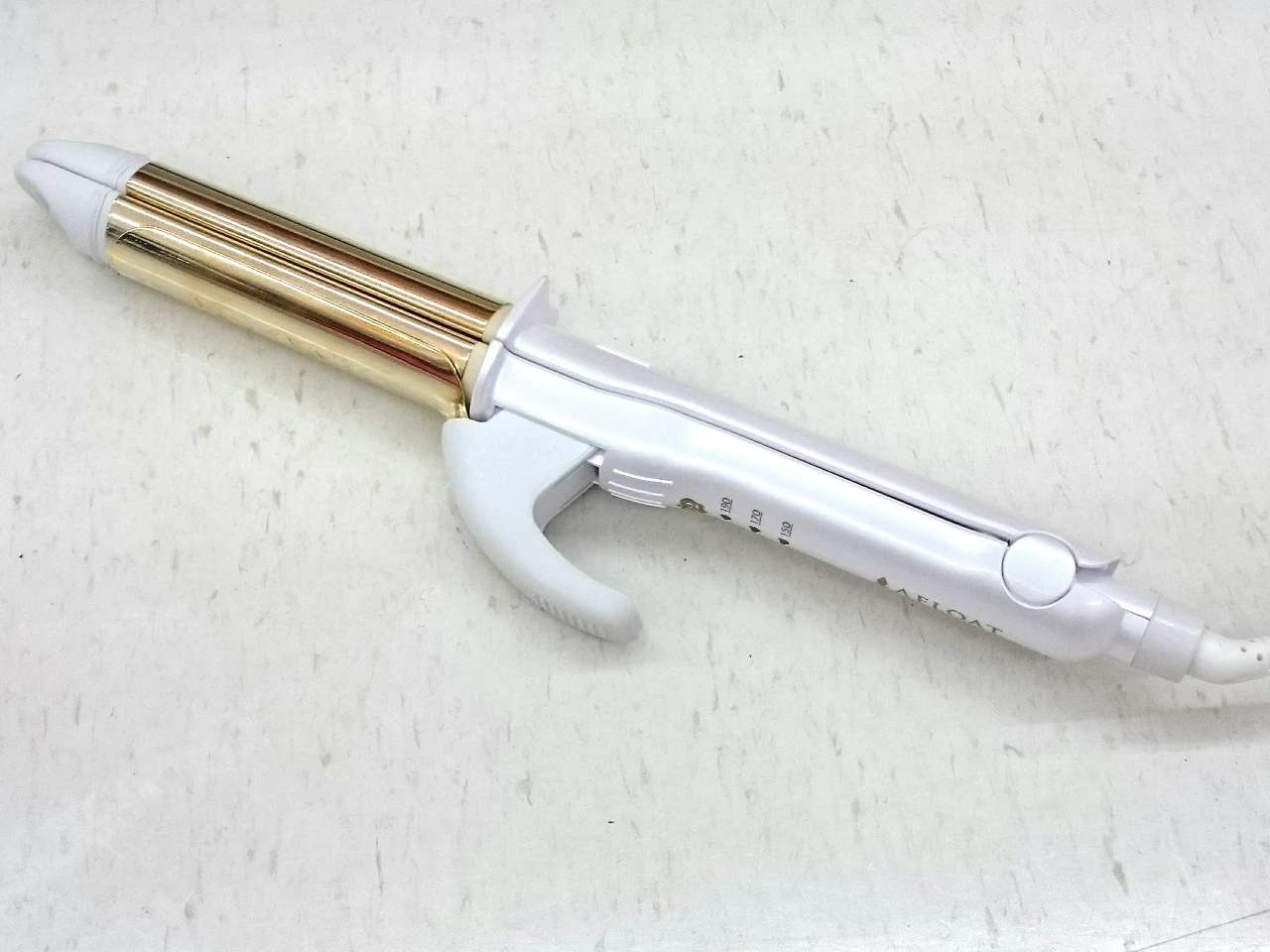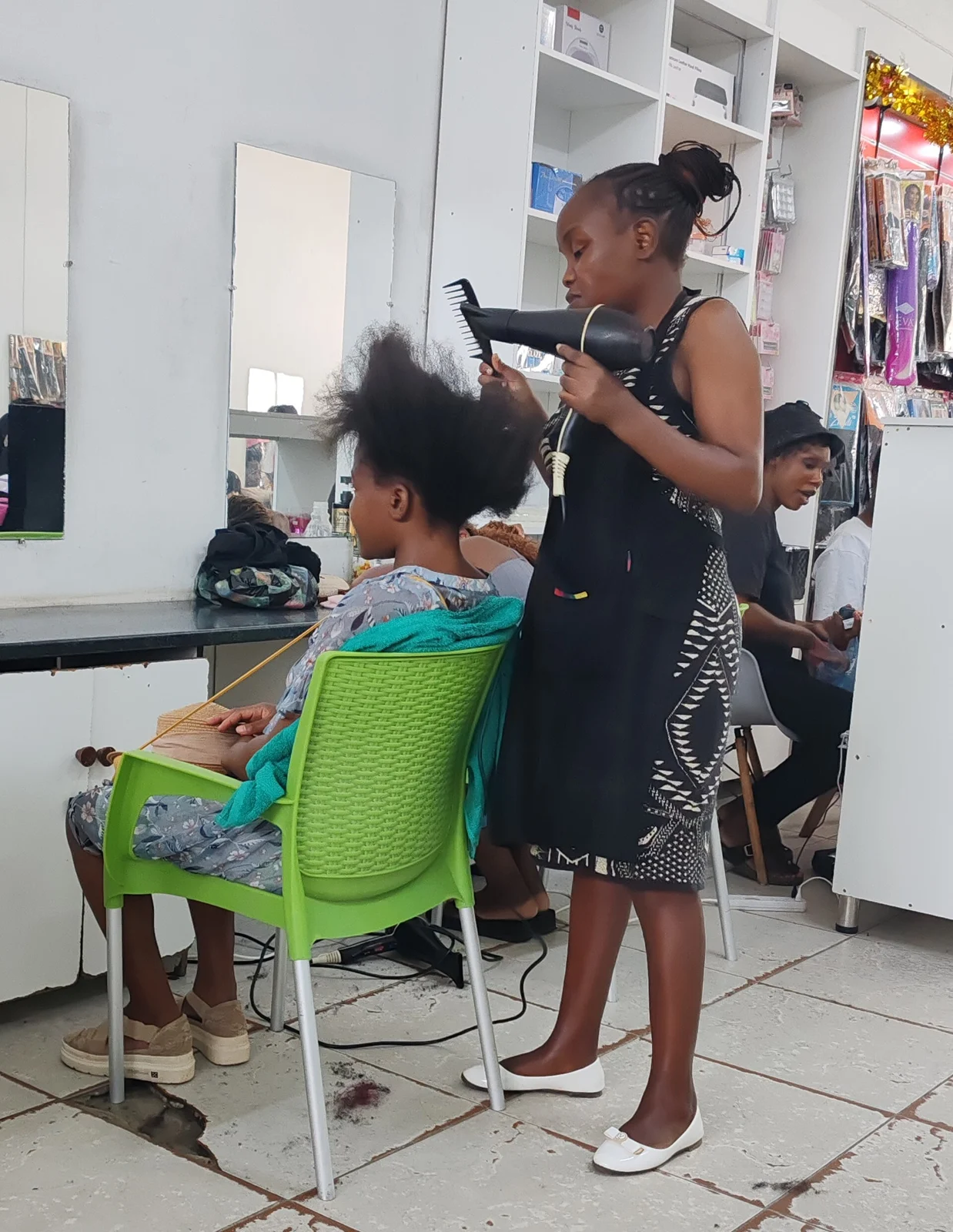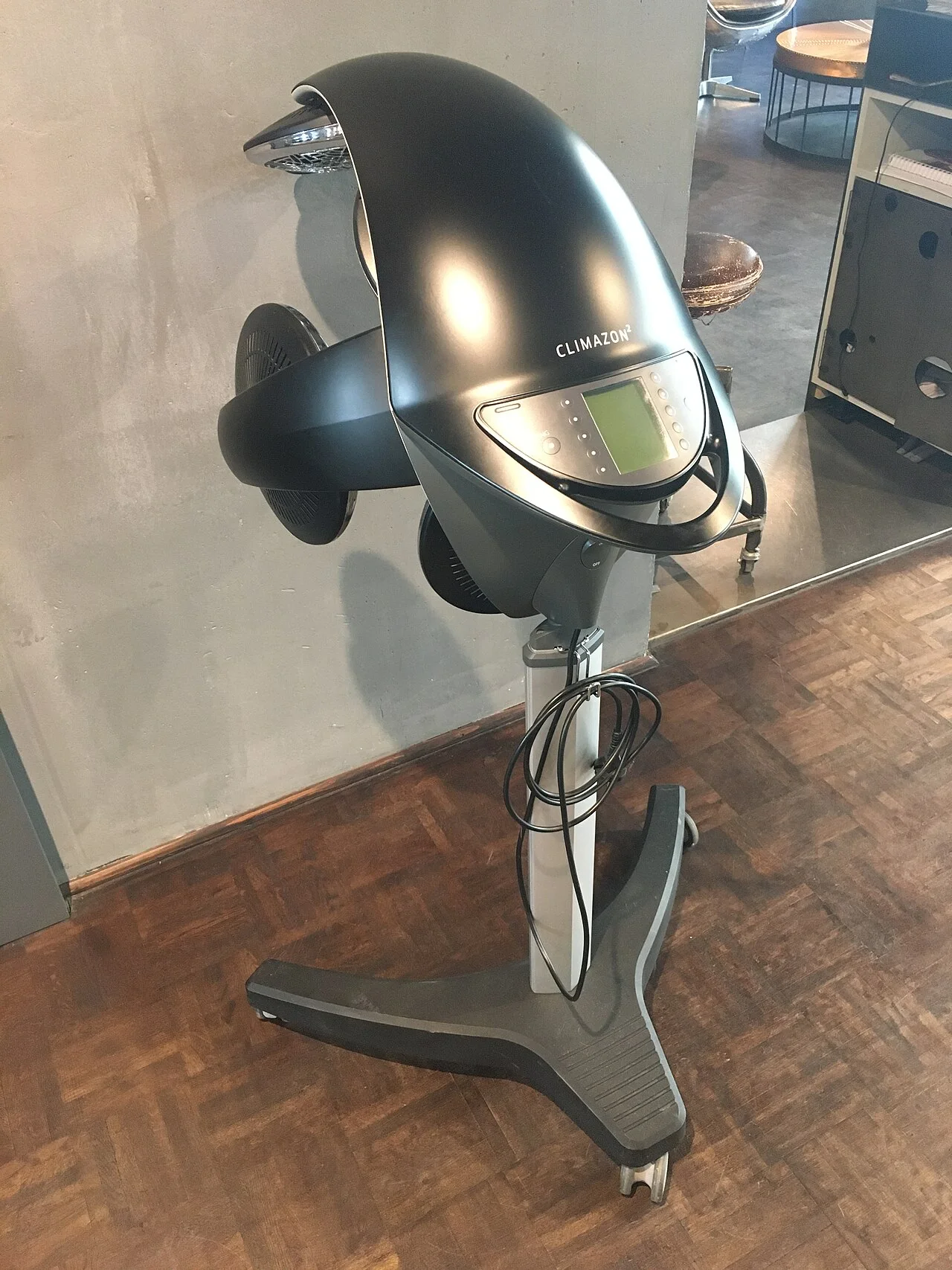
A service described as smoothing can involve more than the mechanical styling of hair. FDA's consumer guidance explains that some hair-smoothing products contain or release formaldehyde, including during heating. That makes the product's identity and exposure information part of the decision before a service, not an incidental detail to ask about after booking.
A familiar service name does not identify the formulation
Ask which exact product and version the provider proposes to use. A general phrase such as 'keratin treatment' or 'smoothing service' should not stand in for its ingredient list. FDA identifies formaldehyde, formalin and methylene glycol as ingredient names associated with containing or releasing formaldehyde. It also notes that not every hair-smoothing product contains formaldehyde.
Do not infer a complete safety assessment from one reassuring phrase or from the absence of a word in an advertisement. The relevant information is the actual product documentation and how the provider addresses its stated hazards and safeguards.
Ask for information you can discuss
An original question brief could read: 'Please identify the proposed product and make its ingredient information and Safety Data Sheet available. Which exposure warnings apply to it, and what training and safeguards does the provider use for this service?' FDA's guidance supports asking about product information, training and ventilation; this wording does not certify that any particular salon meets an occupational standard.
A provider's answer may need clarification. For example, a statement that the room has a window is not the same as evidence about the relevant exposure controls. A consumer article cannot inspect ventilation, measure the air or verify a worker's training certificate from a photograph.
Do not turn the question into a home technique
FDA discourages applying these smoothing products at home and advises using a licensed hair professional rather than attempting the process oneself. This guide does not supply heat settings, timing, application directions or a ventilation workaround. Buying the product and reading one ingredient line would not resolve the exposure question.
A claim that a product is an alternative also needs its own exact documentation. No brand or salon is accused here, and no product is declared harmless because it is marketed with a different treatment name. Current official information should be distinguished from a headline about a proposed rule; this article makes no claim that a proposal has become law.
A reaction is a care issue
FDA advises stopping use and contacting a healthcare provider if a hair-smoothing product causes a bad reaction. Do not keep exposing yourself to establish whether the product was responsible. A pre-service question brief is a way to seek information, not a substitute for medical assessment or an occupational safety evaluation.
Sources & further reading
Published sources for the details and examples discussed in this story.