Two boxes can look like direct alternatives while presenting their numbers for quite different amounts of food. One may advertise a large protein figure; another may emphasize whole grains or a small calorie number. Before deciding which belongs in your breakfast routine, turn the package around. The US Nutrition Facts label offers a consistent place to start, provided you check what amount the figures describe. A useful comparison also includes taste, convenience, allergens, budget, and the way you actually eat.
Begin with the serving size
The FDA explains that serving sizes reflect amounts people typically consume; they are not recommendations of how much to eat. The nutrient figures usually refer to that listed serving, and a package can contain more than one. If your portion differs, the numbers will differ too. For example, eating twice the listed amount means twice the listed nutrients. Treat that as simple arithmetic, not as a rule about the portion that is right for every person.
Compare equivalent amounts
Place two products side by side and check whether the serving quantities match. If they do not, calculate an equivalent weight before deciding that one has less of a nutrient. Clearly distinguish prepared food from dry mix: a panel may include separate information for food made with added milk or other ingredients. Choose the version that matches your preparation. Do not compare a dry cereal alone with another cereal plus milk and assume the difference belongs entirely to the cereal.
Use Daily Value as a general guide
The FDA’s rule of thumb is that 5 percent Daily Value or less per serving is low, while 20 percent or more is high. This can help compare nutrients such as fiber, sodium, saturated fat, and added sugars. It is a general labeling tool rather than an individualized nutrition prescription. The overall pattern of what you eat matters; one percentage does not classify an entire breakfast as good or bad. Personal targets may need professional advice.
Separate total sugars from added sugars
Added sugars are included in total sugars, not an extra quantity to add to that figure. The FDA explains that total sugars can include sugars naturally present in foods as well as those added during processing. Read the added-sugars line when that is the information you want to compare. The ingredients list provides another view of what is in the food. Also check allergen information directly on the current package, because formulations and packaging can change.
Put price and practicality beside the panel
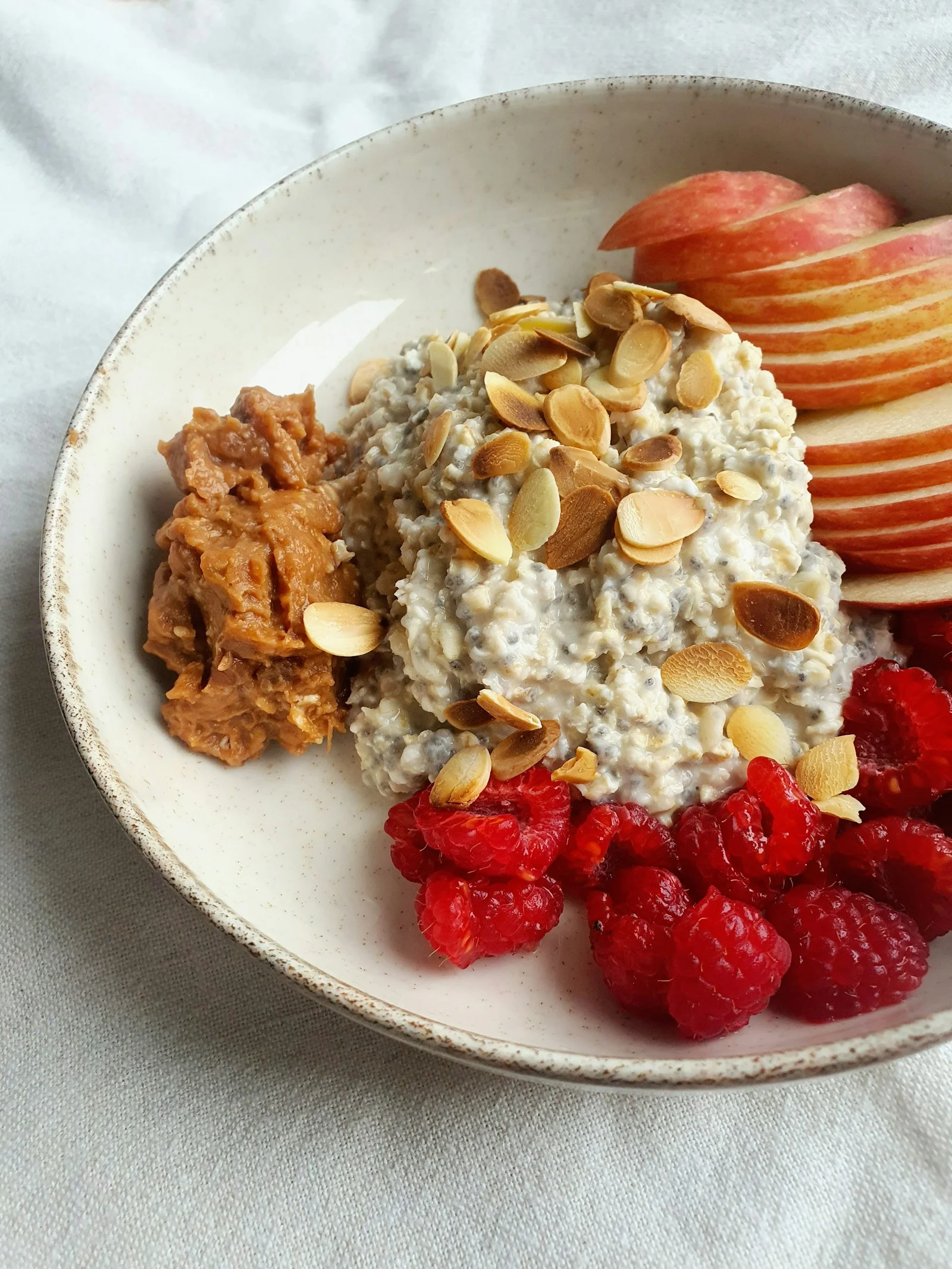
Write down the price and package weight, then calculate the cost for the amount you typically use. A large packet may offer a lower unit price but create waste if you rarely finish it. Consider whether preparation requires extras you would not otherwise buy. A plain base with fruit or another topping may offer useful flexibility, but it also needs to suit your time and preferences. Choose a breakfast you can prepare and enjoy, rather than a theoretical bargain that stays unopened.
Build a small comparison you can reuse
Choose two or three products you are seriously considering and note the same fields for each: serving weight, fiber, sodium, added sugars, price, and practical preparation needs. There is no need to score every item in the aisle or declare a universal winner. Keep a photo of the current label if you want to review it later. If you manage a condition with specific dietary requirements, discuss the relevant targets with a qualified health professional instead of applying a general shopping checklist as treatment.
Sources & further reading
Published sources for the details and examples discussed in this story.