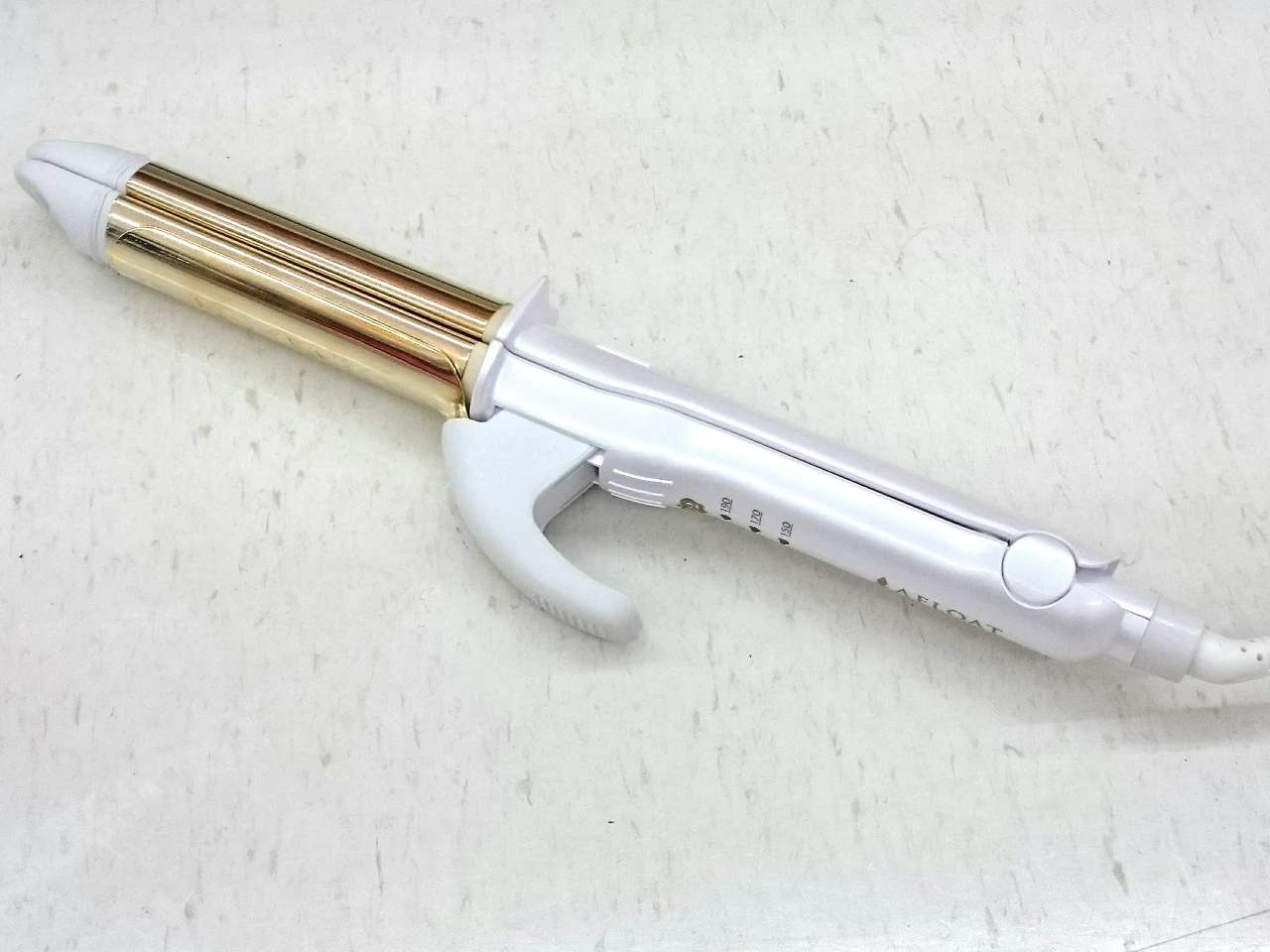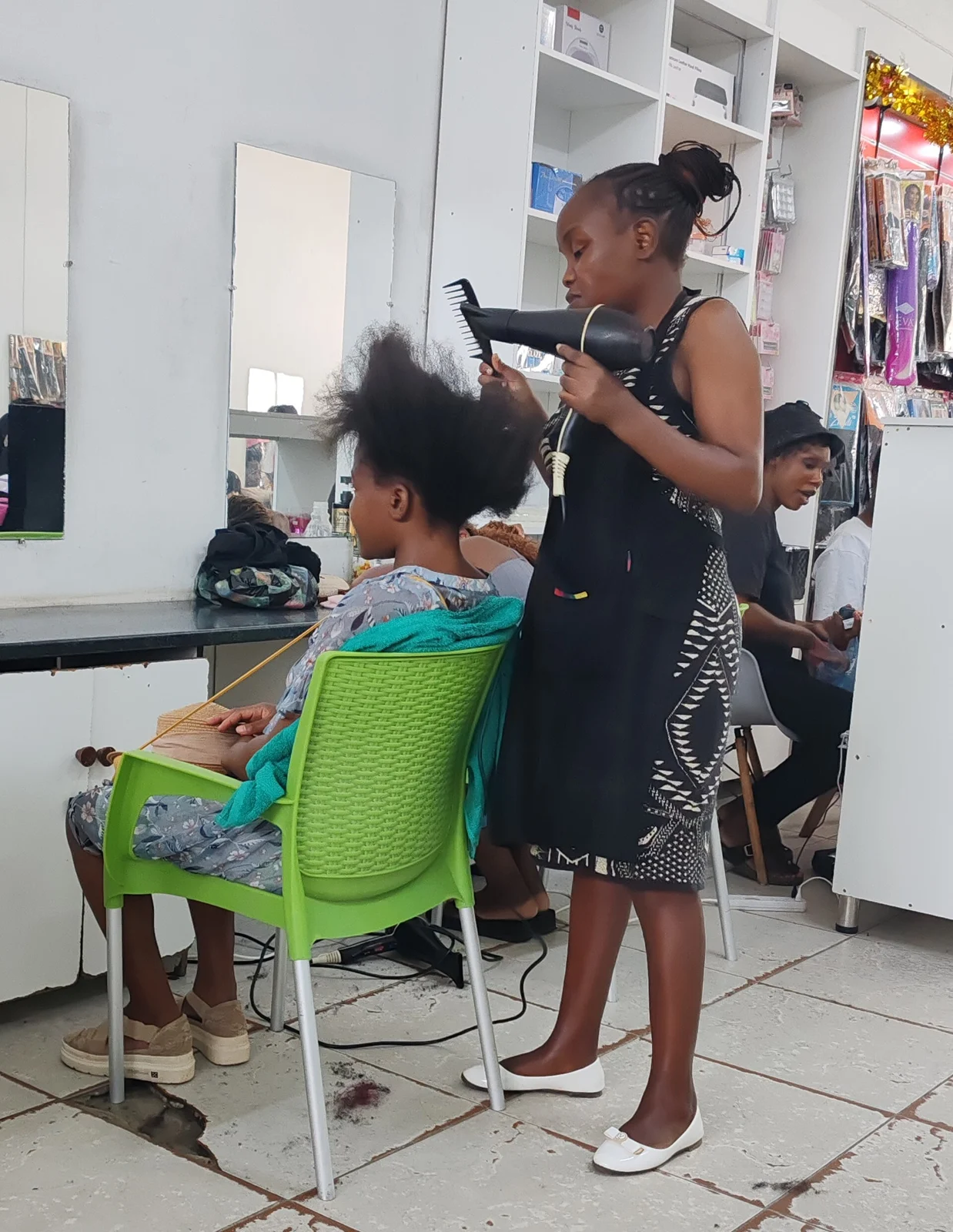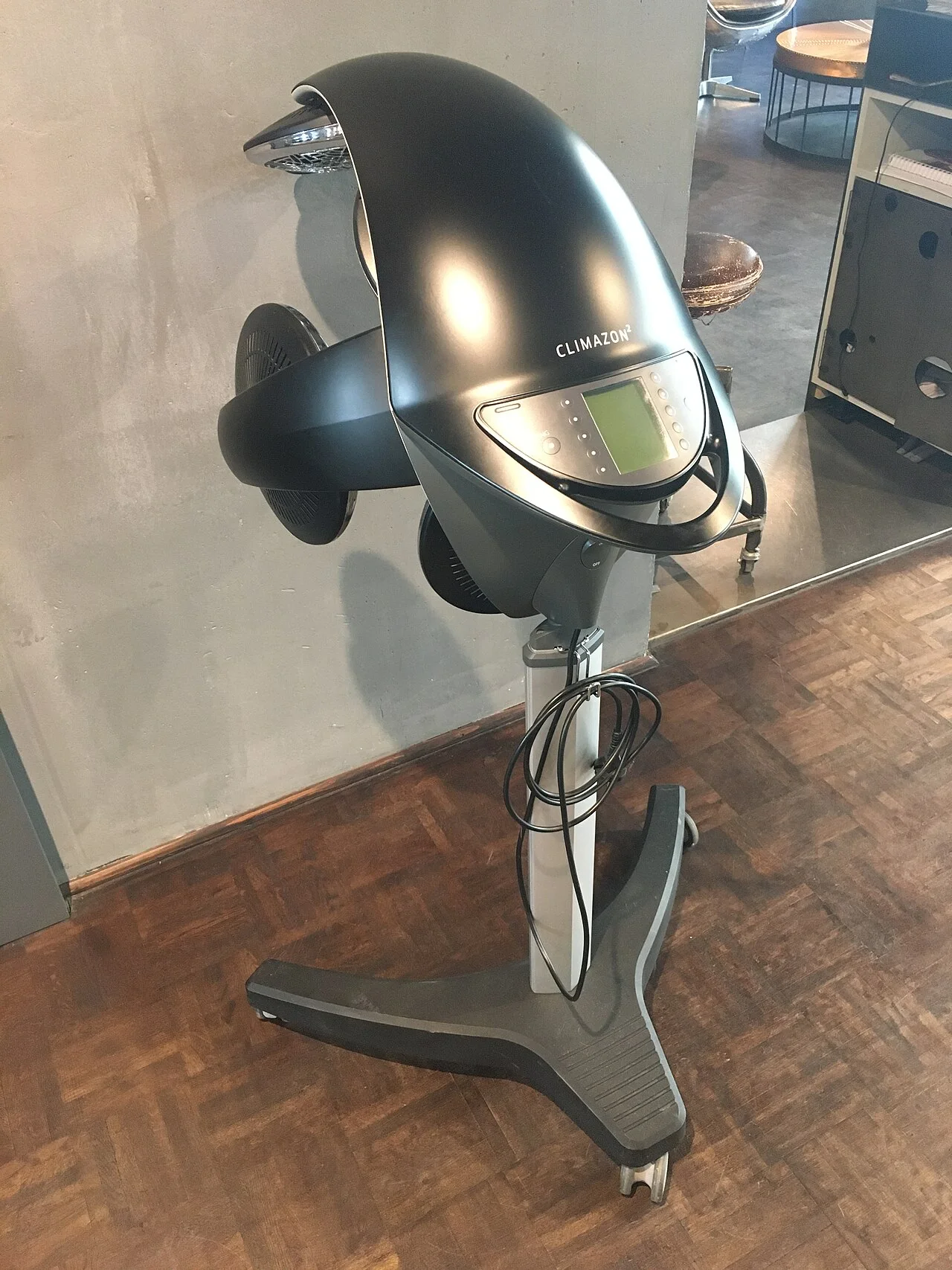
A promise of easier styling can sound appealing when wash day feels like a string of small jobs. But the job you dislike may not be drying. It may be changing tools, arranging a particular shape, clearing the counter afterward, or expecting the same finish every time. These two invented routines make those differences visible. They are comparisons of chosen tasks, not tested drying methods, timings or advice about which style your hair should tolerate.
Morgan wants a different finish every time
Imagine Morgan choosing a deliberately shaped finish after washing. Their imagined routine involves getting out the equipment, drying, putting one tool away, arranging sections for a separate finishing stage, then clearing the tools and accessories. The result they want includes that finishing stage. Morgan enjoys the appearance but dislikes moving between pieces of equipment and keeping track of what comes next.
There are two different changes available in this story. Morgan could keep the intended finish and investigate whether a particular device genuinely combines the tasks involved. That would require its actual instructions, appropriate-use limits and handling information. Or Morgan could choose a different appearance that does not require the separate finishing stage. Those changes are not equivalent: one tries to preserve the outcome through different equipment; the other changes the outcome being requested.
An all-in-one label alone does not establish that the actual sequence would shrink. It might still involve changing accessories, preparing separate sections or cleaning several parts. No named device is assessed here, and no claimed reduction in steps is accepted without its model-specific information. Morgan’s question is concrete enough to investigate: which of these transitions would the proposed purchase actually remove?
Lee wants the same simple end point
Now imagine Lee, who does not want a separately shaped finish on an ordinary wash day. In the first version of the routine, Lee nevertheless gets out an additional styling tool and sorts several attachments, because that is what the aspirational routine seems to require. Some days Lee abandons that last stage after already spreading the equipment across the counter.
The alternative fictional sequence leaves the unwanted finishing task out of the plan from the beginning. Lee still needs an appropriate way of caring for and drying their own hair; the story does not prescribe one. What changes is the extra preparation: there is no reason to lay out equipment for a result Lee has already decided not to pursue. The reduced task is the optional finish and its associated handling, not a promised reduction in actual drying time.
For Lee, a new bundle could create more objects to manage while leaving the underlying preference unchanged. For Morgan, abandoning the finish might remove something genuinely valued. Counting objects would miss this difference. The useful comparison follows the chosen end point through the sequence and asks where an unwanted task entered it.
Simpler does not mean ignoring care guidance
The American Academy of Dermatology cautions that excessive heat can damage hair and advises limiting blow-drying and other heated styling. That general guidance does not identify a suitable device, schedule or temperature for either fictional person. Follow the relevant actual product instructions and seek qualified advice about hair or scalp concerns; this task comparison supplies no individualized heat plan.
Nor does it establish that every shorter routine is gentler, or that every combined tool is easier to use. Fewer visible objects can conceal more handling. A familiar routine can still include a task you dislike. Keep claims about hair health, tool performance and personal comfort separate from the original editorial question: which chosen activity are you trying to stop doing?
Buy for the transition that remains
Morgan can now investigate a specific equipment transition while keeping the desired finish in view. Lee can decline a finishing accessory without pretending to have found a faster dryer. Both decisions are more informative than buying a collection of possible routines and hoping one will feel effortless.
Before paying, describe the remaining task in a sentence without a product name. If the sentence is still “achieve a finish I do not actually want,” another attachment has not solved it. If it names a real handling problem within a valued routine, investigate that particular model and its instructions rather than assuming a launch demonstration has already answered the question.
Sources & further reading
Published sources for the details and examples discussed in this story.