A day away from home may involve public transport, food, shared facilities, and a place to wash your hands that is not always nearby. A small practical plan can help without requiring a pouch full of specialist products. CDC guidance recommends washing with soap and clean running water and using an alcohol-based sanitizer with at least sixty percent alcohol when soap and water are not readily available. The useful purchase supports that guidance rather than replacing it with a vague clean-feeling promise.
Notice the likely handwashing moments
Think about meals, food preparation, using the toilet, handling waste, or contact with animals. The CDC identifies these and other everyday situations as important times for handwashing. When planning an outing, check where facilities are likely to be available instead of assuming a product in your bag solves every situation. A useful routine depends on access and timing as well as equipment. If traveling with others, discuss a simple plan without making cleanliness into a competition or a guarantee against every illness.
Keep the basic method clear
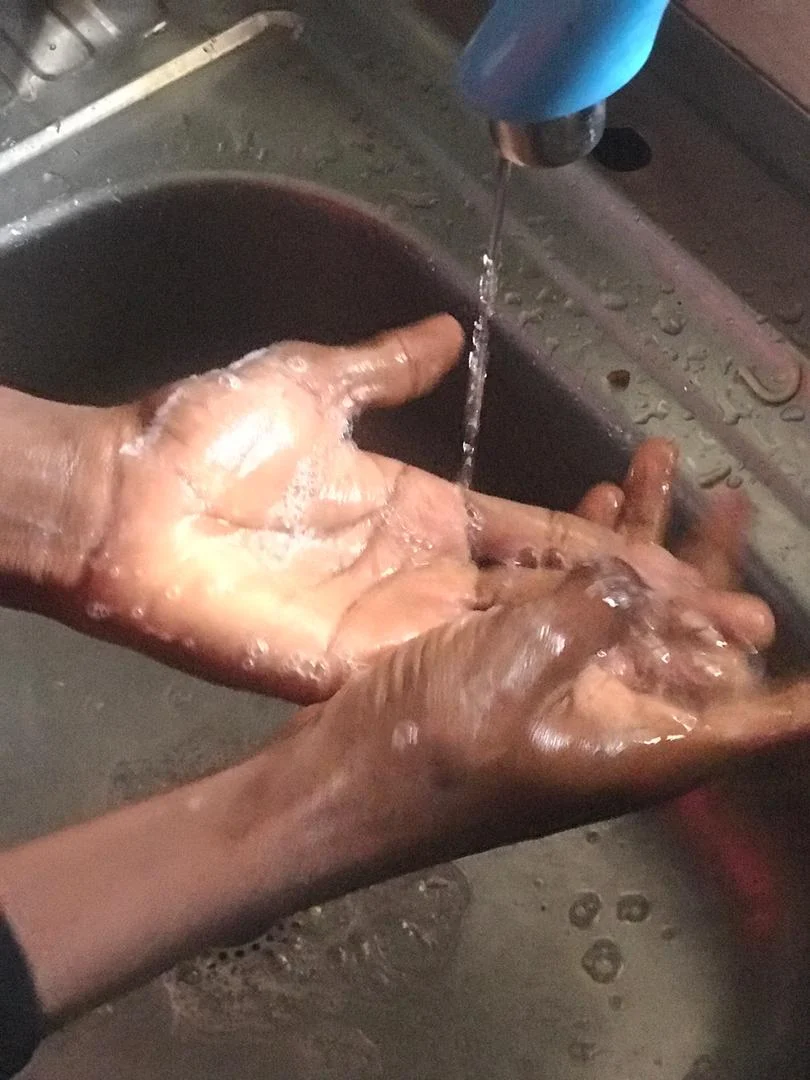
CDC guidance is to wet hands with clean running water, apply soap, lather all relevant areas, scrub for at least twenty seconds, rinse, and dry with a clean towel or air dryer. A special fragrance or an elaborate dispenser is not needed to follow those steps. Do not rush because a product looks more powerful. If a facility lacks supplies, use the appropriate alternative and seek a suitable place to wash when needed rather than improvising a mixture from unrelated toiletries.
Read sanitizer labels before buying
Check that the alcohol content meets the CDC's at-least-sixty-percent guidance and follow the product's directions and warnings. A cosmetic-looking bottle or a claim of freshness does not establish its suitability. Consider a manageable size and closure for the bag you actually carry. Keep the product identified and stored as instructed, including relevant precautions around children. Do not treat sanitizer as something to ingest or use in a manner outside its directions, and do not assume it substitutes for washing in every circumstance.
Avoid an overloaded hygiene kit
List the items you genuinely need for the day's routine and separate them from products bought for reassurance without a clear use. A small suitable sanitizer may be practical when washing is unavailable, but several scented alternatives do not create a better plan. If wipes are considered for a different task, check their intended use rather than assuming every cleaning product is suitable for skin. Household disinfectants and hand products have different purposes, and their directions should not be interchanged.
Make refilling and replacement straightforward
Check the manufacturer's instructions before transferring or refilling a product and keep important label information accessible. Review the kit occasionally for empty or unusable items. Compare complete cost and quantity without buying more than you can reasonably store or use as directed. The goal is a simple arrangement you can follow during the day: know when to wash, use appropriate facilities, and carry a suitable alternative where helpful. No shopping choice can promise that ordinary infection risks disappear.
Sources & further reading
Published sources for the details and examples discussed in this story.