A walking routine does not have to begin with a watch, special clothing, or a demanding challenge. It can begin with a short, familiar route that fits between things you already do. The most useful first decision is when and where to walk, not what to buy. This general guide is for everyday planning; adapt activity to your circumstances and seek individual medical advice when a health condition, symptoms, pregnancy, or an injury makes that necessary.
Choose a repeatable opening in the day
Look for an existing cue: after lunch, after dropping off a parcel, or before starting the evening meal. Choose a route with a clear beginning and end so that the time commitment is understandable. The NHS recommends starting slowly and building up gradually; a short walk is a valid starting point. A route you can repeat comfortably is more useful than an ambitious one that requires a special journey before you can begin.
Use a pace you can recognize
The NHS describes brisk walking as a pace where you can still talk but cannot sing. That is a practical description, not a demand to reach a particular speed on the first outing. Begin at a comfortable pace and notice how the route feels. A hill, heat, or carrying shopping can change the effort involved. Do not judge a walk solely by someone else’s distance or a social media screenshot. Change the plan when your circumstances change.
Check the shoes already by the door
According to the NHS, comfortable shoes or trainers that provide support and do not cause blisters can be suitable for walking. Inspect the pair you already use before ordering another. Think about the surface, weather, and fit with your usual socks. If replacement is necessary, try the shoes on and read the retailer’s return terms. Extra cushioning, a fashionable label, or a high price cannot guarantee that a particular shoe will suit your feet.
Remove small sources of friction
Keep keys, appropriate outerwear, and any everyday essentials together. Check the forecast and choose a route with sensible visibility and crossings. If time is tight, shorten the route rather than turning a missed long walk into a reason to stop entirely. An indoor alternative can help on a day when outside conditions are unsuitable. Consider accessibility and personal safety in your own location instead of assuming that any attractive path is practical at every hour.
Make progress visible without a shopping requirement
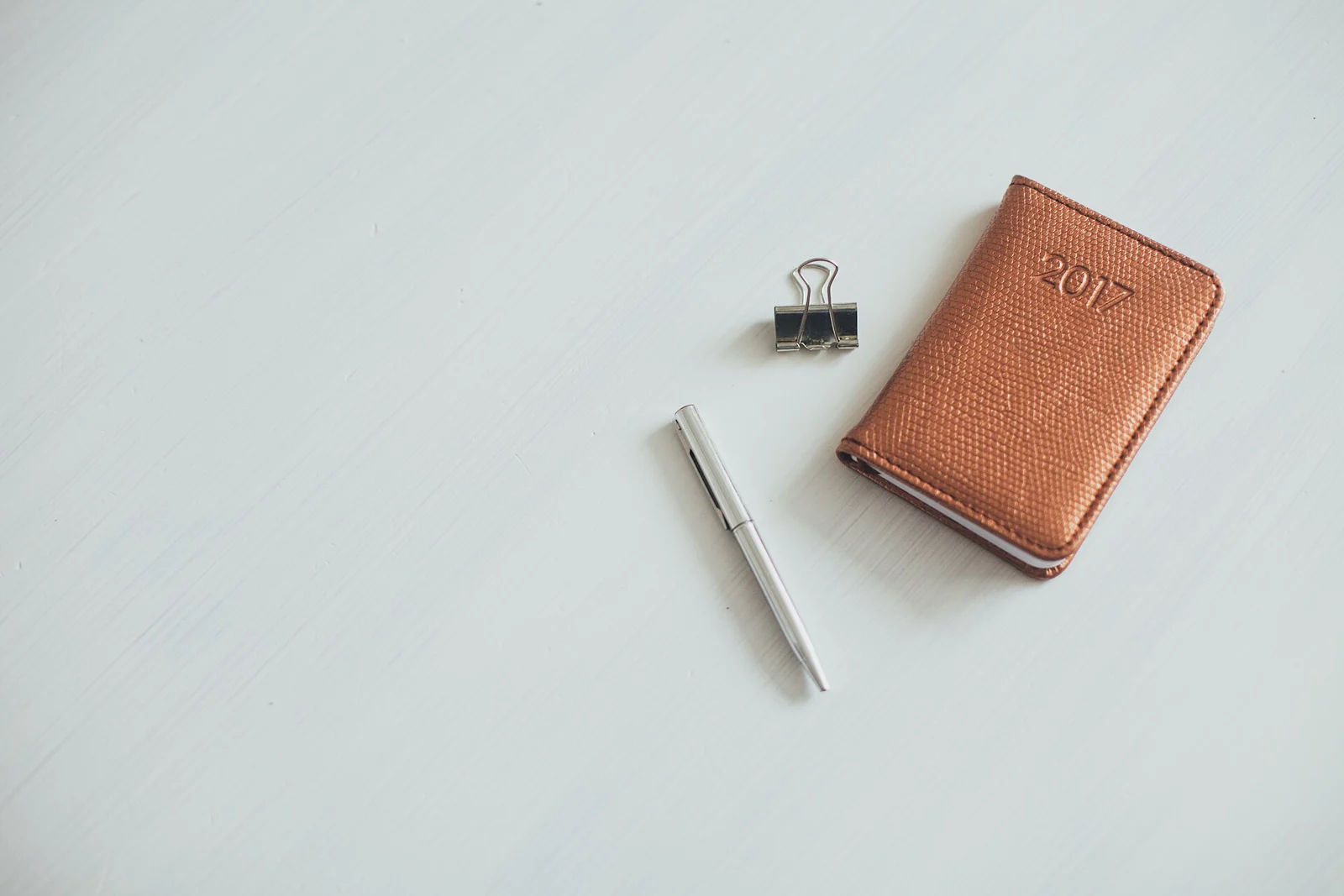
A paper calendar or note on your phone can record that you went out and how the walk felt. Distance is optional. After several comfortable outings, consider a modest change to duration or pace, rather than changing everything together. The NHS notes that a brisk ten-minute daily walk contributes towards recommended weekly activity. You do not have to buy a tracker to make that time count. If tracking makes the habit less enjoyable, a simpler record may work better.
Know when the plan needs individual advice
Do not push through concerning symptoms to preserve a streak. Stop and seek appropriate medical help if activity brings symptoms such as chest pain or severe breathlessness; urgent symptoms require urgent care. If you are unsure what is suitable because of a condition or recovery, ask a qualified professional who knows your situation. For everyday habit building, review what made the week easier: timing, company, a flatter route, or a shorter outing. Adjust those practical details before buying more equipment.
Sources & further reading
Published sources for the details and examples discussed in this story.