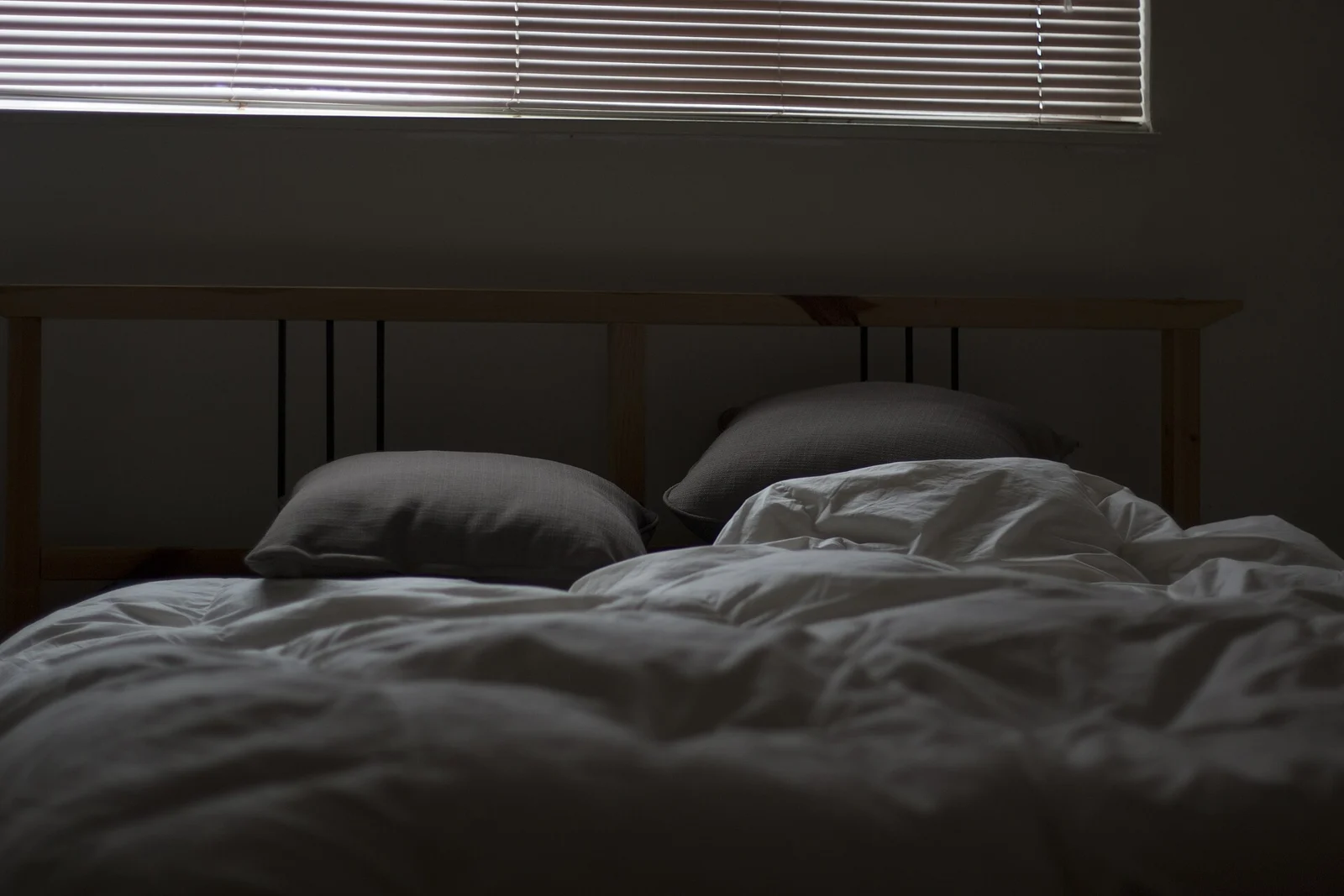
A bedroom that feels busy, bright, or noisy can make settling down inconvenient, but that does not mean the next step is an expensive sleep device. Begin by observing the room and your routine. The CDC recommends a quiet, relaxing bedroom at a cool temperature and consistent bed and wake times. These general habits are a starting point, not a diagnosis or a guarantee that a room change will resolve a sleep problem.
Identify one recurring difficulty
Write down what actually interrupts the evening: an inconvenient light switch, noise from a familiar source, a screen that stays in use, or belongings that need clearing from the bed. Keep the observation factual rather than giving yourself a score. If sleep problems are regular or concerning, discuss them with a qualified healthcare provider. A shopping list should not delay that conversation. The room is one part of sleep, and not every difficulty can be solved by purchasing a bedroom accessory.
Try an existing-room adjustment
Consider whether a suitable change to the arrangement can address the problem without buying anything. Put necessary items where they can be reached easily and keep routes clear. Follow electrical and product safety instructions when moving lamps or devices. If light is the issue, check existing window coverings and the practical source of the light before choosing a new product. A decorative dark color is not the same as documented light-control performance, so separate the visual preference from the functional need.
Make the evening routine simpler
The CDC advises turning off electronic devices at least thirty minutes before bed and keeping consistent sleep times. Think about a realistic place to charge a phone away from the activity that keeps you engaged, while maintaining any necessary access or safety arrangements. Do not turn this into a rigid challenge that makes you anxious about a perfect routine. Choose one manageable change and notice whether it is practical. A paid reminder service is not required to experiment with an ordinary evening habit.
Evaluate a purchase by its task
If you are considering curtains, a lamp, or another room item, define the problem it must solve and compare exact dimensions, instructions, complete cost, and returns. Be cautious about claims that a consumer product diagnoses or treats a sleep condition. A product's popularity or a dramatic testimonial is not evidence that it will suit you. Do not buy a complicated system before checking whether its setup, cleaning, subscriptions, or ongoing operation fit your household.
Know what to bring to an appointment
The CDC suggests discussing regular sleep difficulties with a healthcare provider, who may ask for a sleep diary. If requested, record relevant timings and habits in the format the professional recommends. A plain notebook can be sufficient; you do not need to translate every night into a device-generated score. Include questions about symptoms or treatment rather than adjusting medicines on your own. The useful outcome is a clearer room and routine, alongside appropriate professional help where needed, not a claim that shopping has solved sleep.
Sources & further reading
Published sources for the details and examples discussed in this story.