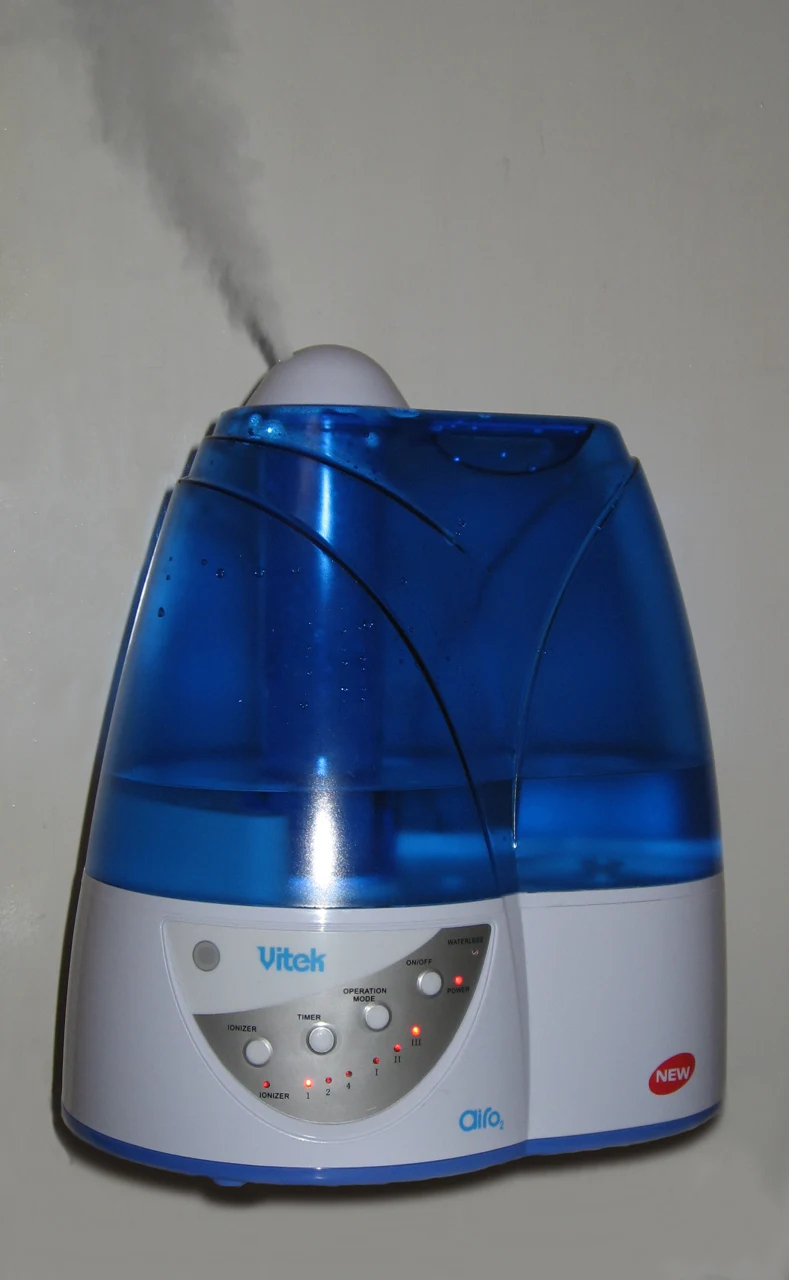
A humidifier can look like a small addition to a bedside photograph: one object on a surface, producing a visible mist. The photograph leaves out the water changes, care, drying and storage. Those obligations are part of the purchase decision. This guide considers the general EPA context and the U.S. manual for Levoit’s Dual 150, model LUH-D302-WUS. It does not determine whether a reader needs humidification or whether a device would treat a symptom.
A desired feeling is not yet a defined need
Perhaps a room feels uncomfortable, or an attractive image suggests that adding mist would complete it. Neither observation identifies the cause of the discomfort or establishes that more moisture is appropriate. EPA advises using a humidifier only when conditions require it. Its guidance also notes that excess moisture can encourage biological growth.
Keep that question open before choosing a machine. A device’s advertised running time or tank capacity cannot determine the appropriate conditions in your home. If a health concern prompted the search, seek guidance appropriate to that concern rather than use a room accessory to diagnose it. This article supplies no personal humidity target, treatment recommendation or prediction about sleep, skin or breathing.
The care schedule becomes part of the ordinary week
EPA’s portable-humidifier guidance includes daily tank emptying, drying and fresh water, as well as regular thorough cleaning. The exact Levoit manual likewise calls for daily water changes and cleaning every three days and before storage. These are recurring tasks, not a one-time setup completed when the parcel arrives.
Imagine a fictional household where one person suggests the purchase but leaves early each morning, while the other person did not expect to maintain another appliance. “We will keep it clean” is not yet an agreement. The relevant buying question is whether someone can and willingly will undertake the actual manual’s care, including during the less convenient parts of the week.
You do not need to buy a machine to discover that the household has no agreed owner for that task. Equally, someone who is comfortable with the work may decide it fits. Neither conclusion follows from whether the appliance is small or attractive.
Identify the exact model’s place and work area
The linked U.S. Dual 150 manual specifies a hard, flat, water-resistant location at least 12 inches from walls, with mist directed away from walls, furniture, bedding and appliances. It says to unplug before cleaning or detaching the tank. Its maintenance notes call for a water-resistant work surface and prohibit putting the humidifier parts in a dishwasher.
For the invented household, those requirements create two location questions: where the appliance would operate and where its care would happen. An empty patch on a nightstand does not establish either answer. Check the full instructions and the actual room instead of interpreting a styled photograph as an installation example.
The manual has specific cleaning and descaling directions. This guide does not improvise or combine them with a generic household-cleaner method. Obtain the version for your exact model and market, and follow it as a whole. The U.S. model discussed here is not a substitute instruction set for similarly named appliances elsewhere.
A weekend away also changes the task
The Dual 150 manual says not to leave water inside when the appliance will be unused for three days or longer; it calls for cleaning and drying instead. Its storage section also requires complete drying. Leaving home is therefore not simply a matter of leaving a filled tank ready for return.
Imagine the household regularly taking long weekends away. Before buying, they can ask whether preparing the device for a pause and bringing it back into use is work they want to take on. A larger tank would not remove those instructions. Nor does an accessory automatically replace maintenance; any such claim needs support for the actual device.
A useful purchase remains conditional
EPA warns that users who believe respiratory symptoms are associated with humidifier use should stop using it and contact a physician, even when following maintenance directions. Caring for the appliance does not establish that every household should use one. Keep both the conditions in the room and individual concerns in view.
If the need is established and the household can meet the actual instructions, comparison shopping can then address the relevant model, placement, care access and full cost. If those pieces are unresolved, delaying the purchase is a useful outcome. The aim is to choose a manageable appliance for a supported purpose, not to add a permanent maintenance task because mist looks inviting in a photograph.
Sources & further reading
Published sources for the details and examples discussed in this story.