A tidy medicine basket can still be in the wrong place. Storage depends on the actual medicine and its instructions, not the appearance of the container. This adult household review begins with original packaging and ends with a short list of questions for a pharmacist. It does not choose treatment, change a dose or invent storage requirements for an unidentified product.
Bring the instructions into the decision
Choose one medicine at a time. Keep its original container, label and available information together. Read the actual storage instructions rather than substituting a remembered rule for all tablets or liquids. MedlinePlus recommends the original container and checking with a pharmacist about specific storage instructions.
Record what the label actually says and where the item is currently kept. If the instructions are missing, unclear or different across materials, ask the pharmacist to clarify. Leave a requirement unknown until it is resolved; do not copy a temperature range from a different product. Special instructions take precedence over a generic household organizing idea.
Check the location, not just the shelf width
Consider whether the current place exposes the medicine to heat, moisture or light. MedlinePlus identifies these as potential sources of damage and warns that a bathroom cabinet may expose medicines to shower moisture and heat. A kitchen location can have its own problems near hot appliances or the sink.
This is a review of the conditions you can identify, not a certification that a room has stayed within the label’s limits. If a medicine was left in a hot car or you cannot establish how it was stored, describe that uncertainty to a pharmacist. Moving it now does not prove that an earlier exposure had no effect. Do not place every item in a refrigerator simply because cool sounds preferable.
Separate expiry from appearance
Read the expiry information on the actual package. FDA advises against using expired medicines and explains that proper storage supports stability through the expiration date. A neat-looking bottle or an unchanged tablet is not evidence that an expired item remains suitable.
Likewise, an unexpired date is not a blanket guarantee after inappropriate storage or visible change. MedlinePlus advises not using medicines that have changed color, texture or smell, or tablets that are damaged in the ways it describes. Consult a pharmacist about the actual item and next steps rather than experimenting with a changed medicine. This review supplies no disposal method or extension of an expiry date.
Finish with access and an unresolved-items list
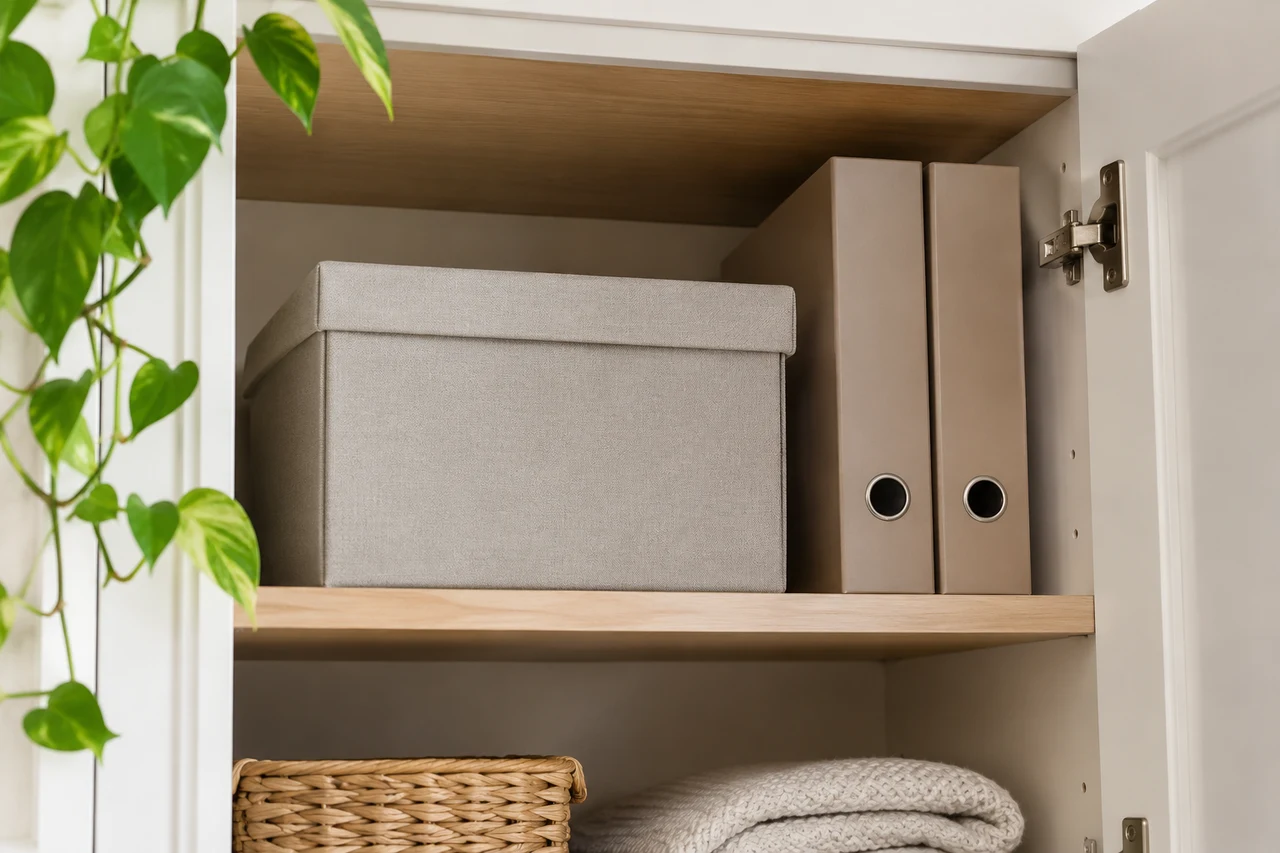
Choose storage consistent with the actual directions and prevent children from reaching medicines. MedlinePlus calls for keeping them out of children’s sight and reach and supports child-resistant locking or latching. Child-resistant packaging does not replace controlling access. Consider the household’s real visitors and routines, including medicines temporarily taken out for use.
The finished note should distinguish items returned to an appropriate place from items awaiting advice. Keep names and health details private. Before purchasing an organizer, check that it can accommodate original packaging and the actual location requirements; a matching set is unnecessary if the existing secure arrangement works. Bring the unresolved storage and expiry questions to a pharmacist, without changing prescribed use through an organizing exercise.
Sources & further reading
Published sources for the details and examples discussed in this story.