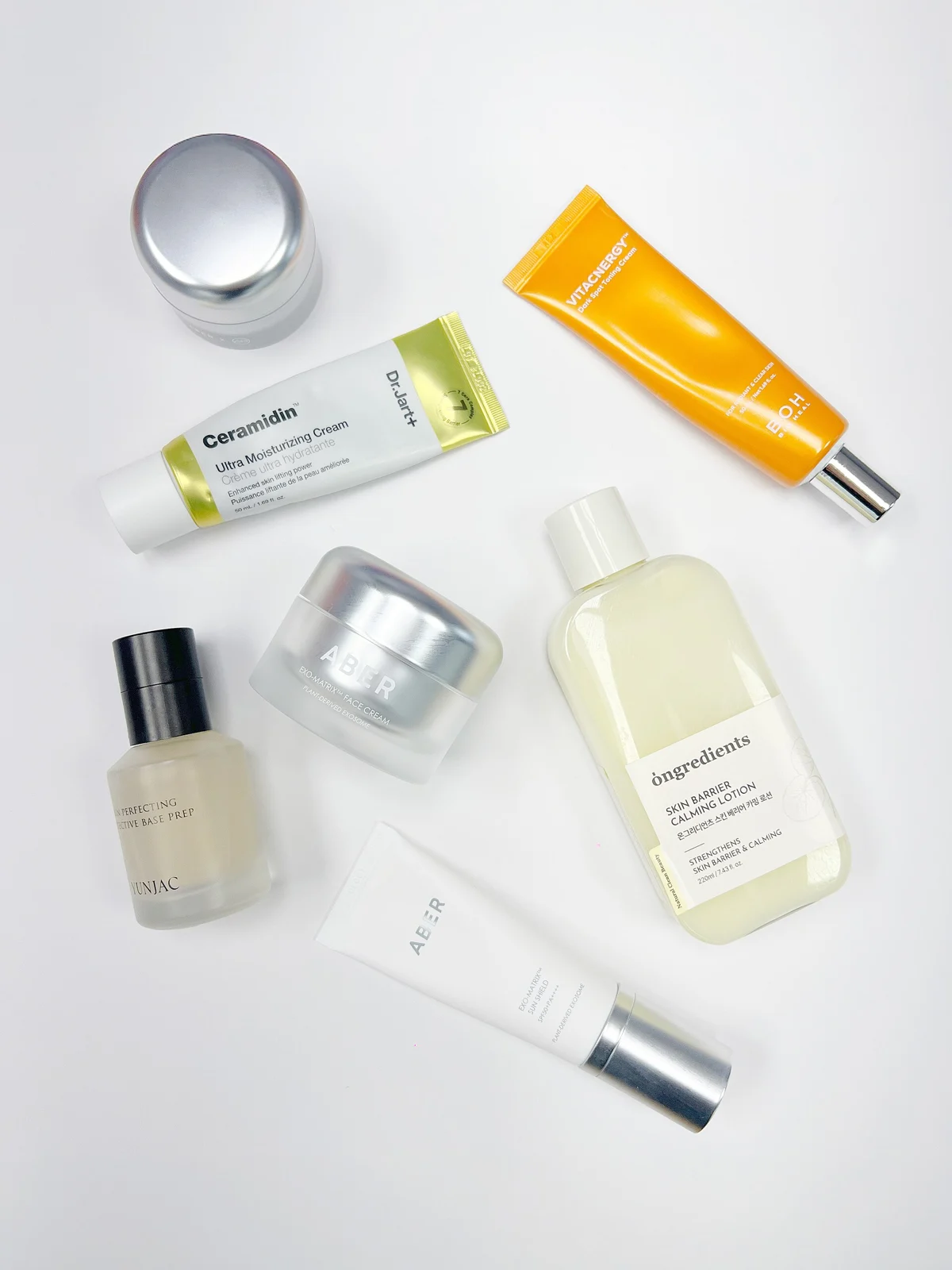
A new everyday moisturizer does not need to go straight from its box to full-face use. For an ordinary, non-medicated product, a small-area use check can give you observations before making it part of the routine. Plan the actual application and a clear stopping point. This is not a way to challenge a known allergy, assess a prescription or prove that a product will suit every part of your skin.
Decide whether this is the right situation
Keep this plan limited to an ordinary moisturizer you have not already been told to avoid. If you have reacted to the product before, or know it contains an ingredient you must avoid, do not try it again to see whether this time is different. Questions about an existing rash, a prescribed product or conflicting professional instructions belong with an appropriate healthcare professional.
Keep the container and its directions available. A sample in an unidentified pot makes it difficult to know which formulation you are using. If the instructions are unclear or do not fit the proposed plan, resolve that uncertainty first. Do not change prescribed treatment or its application schedule to make room for this exercise.
Set out the small-area plan
The American Academy of Dermatology describes applying a product to a spot about the size of a US quarter, twice a day for seven to ten days. It suggests the underside of the arm or the elbow bend, where the product will not immediately be rubbed or washed away. Use the ordinary amount and thickness, rather than making a thick mound because the area is small.
Choose a schedule you can describe accurately. Write the product's exact name, the chosen site and the starting date in a short private note. A couple of spaces for the day's applications can help you remember what happened. They are a practical memory aid, not a score that makes a missed application or a skin response disappear.
Keep the usual contact time
AAD advises leaving a product on for its normal duration. An ordinary leave-on moisturizer does not become a quick rinse-off product simply because you are using a small spot. Follow its actual directions; do not borrow a cleanser's wash-off timing or add a covering to create a different application. Ask for guidance when the product's intended use is uncertain.
Record what you directly notice at the site, including redness, itching or swelling if present, and when it appeared. Describe an uncertain observation as uncertain. The note is not a diagnosis, an ingredient experiment or evidence that a particular ingredient caused the change. There is no benefit in continuing an uncomfortable application merely to complete the calendar.
Stop when the skin reacts
If a reaction develops, AAD advises gently washing the product off promptly and not using it again. Seek appropriate professional help for a severe or continuing reaction or when you are unsure what to do. Do not restart with a smaller amount, move to another site or add a second unfamiliar product to try to rescue the check.
Understand what the result can tell you
AAD says you can use the product after the check period if there is no skin reaction. That is not a guarantee of future tolerance. AAD distinguishes home product checking from medical patch testing, which a dermatologist may use to investigate a suspected contact allergy. Do not translate your note into an allergy clearance or use it to override advice to avoid something.
Keep the product identified and continue to follow its directions if you subsequently use it. If a concern appears later, stop and obtain appropriate advice rather than relying on a previously quiet spot. The useful result is a modest, accurately described observation and a sensible next decision, not a certificate of safety.
Sources & further reading
Published sources for the details and examples discussed in this story.