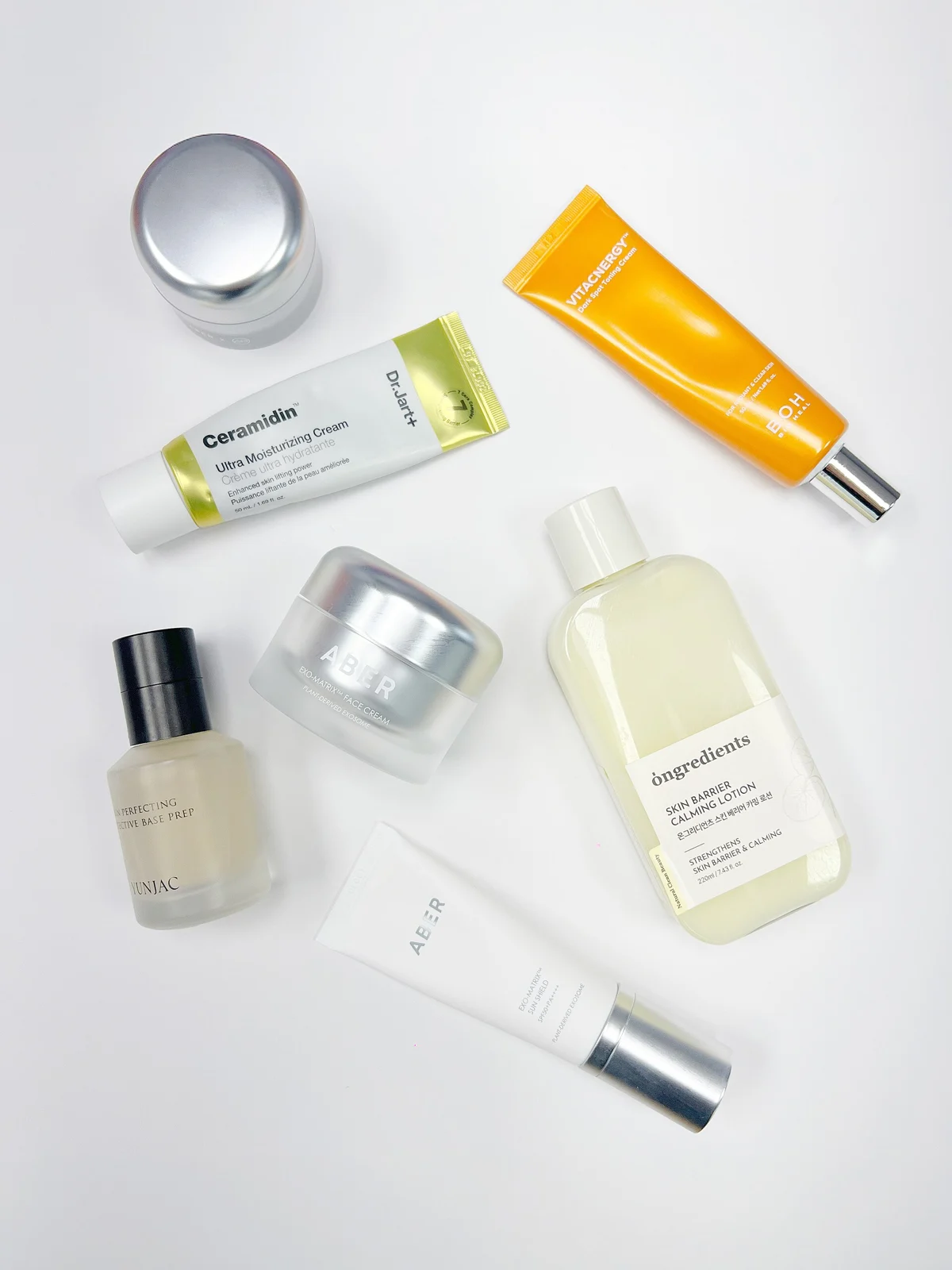
A bottle of sunscreen is useful only when it is available and used according to its directions. A day outside also involves clothing, shade, timing, and practical access to the things you need. Before buying a sun-themed kit, think through the actual outing. FDA guidance recommends sunscreen alongside other sun-protective measures, rather than as permission to ignore exposure. A useful day bag supports that broader plan without becoming a collection of products chosen mainly for their packaging.
Describe the outing
Note the expected outdoor periods, the activity, access to shade, and the items you can comfortably carry. A brief journey and several hours at an outdoor event require different planning. Check current local conditions and relevant event information rather than treating one general checklist as suitable everywhere. Consider who is traveling and whether individual professional advice is needed. Advice for an adult shopping for themselves should not automatically be applied to an infant or someone with a specific medical circumstance.
Choose the bottle by its label
The FDA advises a broad-spectrum sunscreen with SPF fifteen or higher, used as directed with other protective measures; the AAD recommends SPF thirty or higher. Read the full product directions and warnings. If water resistance matters, check the stated duration and reapplication instructions. No sunscreen is waterproof. A compact container may be convenient, but the usable quantity and proper application matter more than how neatly it fits a pouch. Do not assume a high SPF number translates into unlimited time outdoors.
Include clothing and shade decisions
FDA sun-safety advice includes clothing that covers exposed skin, sunglasses, and a broad-brimmed hat, alongside limiting time in the sun. Choose items suitable for the actual activity and check any specific product claims. A fashionable accessory's appearance does not establish a documented protection rating. Think about where shade will be available and what you will do if it is not. The bag cannot carry a complete solution to an outing whose exposure conditions have not been considered.
Keep the product usable
Follow storage instructions, including protection from excessive heat and direct sun as described in FDA guidance. Check expiry information and keep the bottle identifiable. A separate pouch can help organize the bag, but it does not guarantee appropriate storage conditions. Put the sunscreen somewhere you can reach when reapplication is due according to its directions. If carrying a spray, read format-specific warnings, including relevant flammability precautions. Do not treat a compact travel format as exempt from the information on the full label.
Buy only the missing part
Check existing suitable items before purchasing a new kit. Compare full cost and quantity, and avoid an uncertain seller for something whose identity and instructions matter. If one practical gap remains, define it precisely: a suitable hat, accessible bag pocket, or replacement for an expired product. Do not buy several different sunscreen textures simply to feel more prepared. A useful plan combines appropriate products and behavior, while recognizing that no bag or bottle can promise the elimination of every sun-related risk.
Sources & further reading
Published sources for the details and examples discussed in this story.