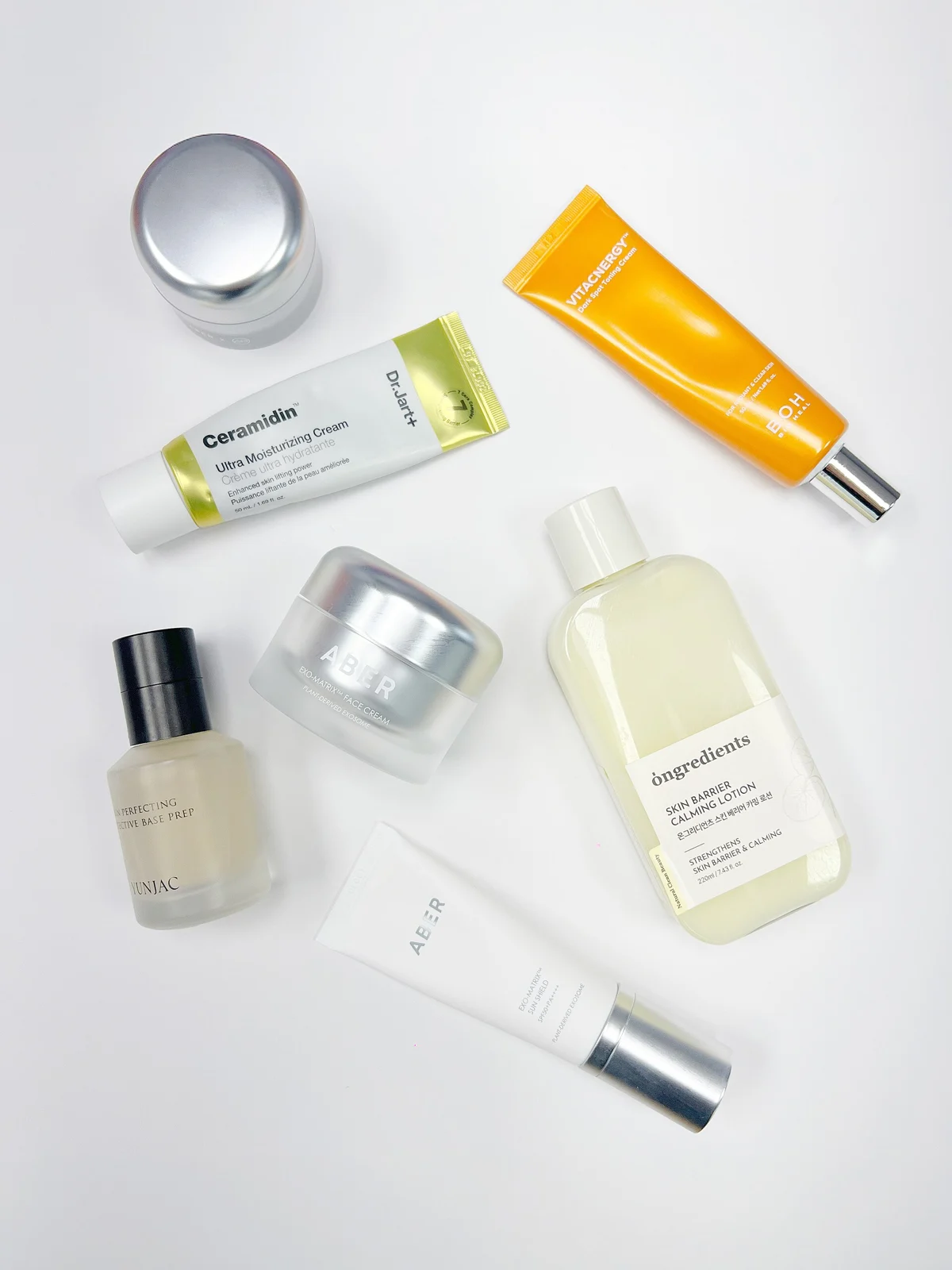
Words such as brightening, fading and whitening can appear across different products and claims. They do not by themselves identify the ingredients, establish a product's US status or tell a person what to apply. When an official warning is involved, the useful response is to identify what the warning actually covers rather than search for a home method that sounds gentler.
Keep the ingredient and sales context together
FDA's Skin Product Safety page warns about skin-lightening products containing mercury or hydroquinone. It says hydroquinone skin-lightening products are not approved for over-the-counter sale in the United States, while prescription products containing hydroquinone can be obtained through a healthcare provider. It says mercury's use in skin-lightening products is banned.
Those are specific statements about ingredients and context. They do not justify treating every product using the word brightening as identical, and they do not turn a general cosmetic claim into a prescription. A seller's description should be preserved as a claim to investigate, not accepted as an answer to the regulatory question.
A label question can remain unresolved
The FDA page lists several names under which mercury may appear and cautions that some illegal products may not disclose mercury or hydroquinone on the label. Consequently, the absence of a familiar ingredient word is not proof that an unidentified product has been cleared or tested. Do not try to identify a hidden ingredient by the product's smell, color or effect on the skin.
A useful inquiry retains the exact product name, maker or seller information, package wording and the ingredient or status question that remains. Ask an appropriate healthcare professional or the relevant official source about that question before using an uncertain product. An informal translation or a retailer's assurance should not be presented as laboratory verification.
The warning does not prescribe a substitute
It can be tempting to turn an alert into a shopping list of supposedly safe replacements. That would require separate evidence about the actual products and a person's needs. This article does not recommend a bleaching technique, a treatment for a skin condition or a way to reproduce the claimed result with household ingredients.
For a person already using a prescribed product, treatment questions belong with the prescribing clinician or pharmacist. Do not change a prescribed regimen merely because another product uses similar marketing language. If a skin product causes a bad reaction, contact a healthcare professional rather than continue an at-home comparison to establish the cause.
Leave the conclusion at the right level
The reader's output can be a better-defined question: which exact product, which ingredient concern and which US sales or authorization context? If those cannot be established, uncertainty should remain visible. A label-reading exercise should not be converted into a claim that the product is harmless or that the reader has diagnosed a reaction.
Sources & further reading
Published sources for the details and examples discussed in this story.