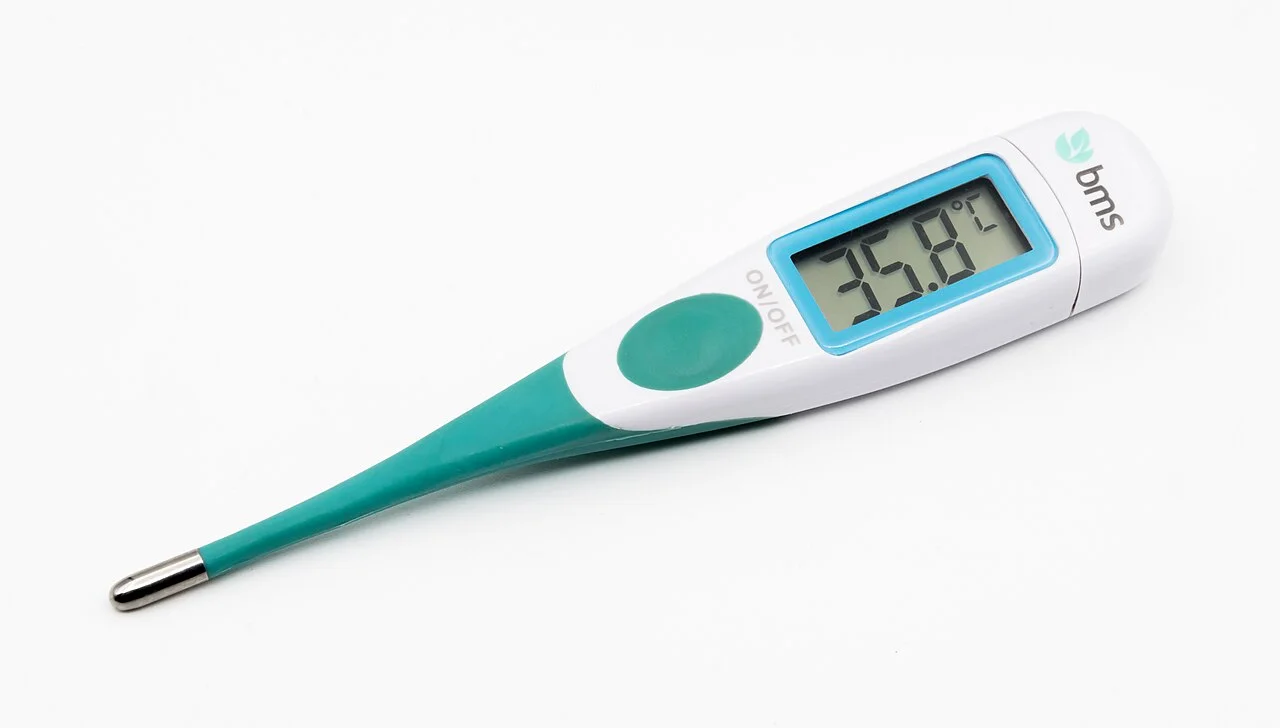
Two white forehead thermometers can look similar while carrying different instructions. A general habit learned with an oral thermometer may be less helpful still. Before choosing a wipe or a cleaning method, identify the exact model and the components its maker describes. The task here is to find the correct care reference, not interpret a temperature or create a household disinfectant recipe.
A model suffix can matter
iHealth provides a useful example: its PT3 support material and its PT3SBT manual are separate documents. The PT3SBT manual distinguishes cleaning the casing from caring for the probe, and includes limits on liquids and abrasive cleaners. That is a reason to retain the exact model letters rather than choose the first search result with a familiar product picture.
Use the model marking on the actual device or its original documentation, then obtain the corresponding current instructions from the maker. If a manual's identity or revision cannot be reconciled with the device, ask support to resolve that before applying a cleaning method. A retailer's general description is not a replacement for those instructions.
Keep the surfaces separate in the note
A useful reference note has a separate line for the sensing area or probe, the reusable casing and any covers or removable parts actually present. Leave a line blank rather than assume a component exists on every thermometer. For each actual part, point to the relevant manual section and any stated drying or liquid-entry restrictions.
This is not a dilution or wiping-time chart. Do not copy a chemical concentration or waiting period from another model into the note. Even a product with a similar name may have a different construction or a different care section.
The general FDA advice still sends you back to the product
FDA's non-contact infrared thermometer guidance says cleaning between uses should follow the Cleaning and Disinfecting section of the product instructions, and that most such devices should not be immersed in liquids. It does not supply one universal care procedure for every thermometer type.
A device that looks clean has not thereby been shown to meet its instructions, and an improvised treatment can create another uncertainty. If the sensing area is damaged or the instructions cannot be followed, seek the maker's appropriate support instead of opening or repairing the device as part of cleaning.
Do not turn maintenance into diagnosis
A correct care reference does not explain a person's symptoms or make a reading clinically decisive. Keep questions about temperature interpretation, illness or when to seek care with appropriate healthcare advice. The practical result of this exercise is narrower: an exact model, its real components and a reliable place to find the matching care instructions.
Sources & further reading
Published sources for the details and examples discussed in this story.