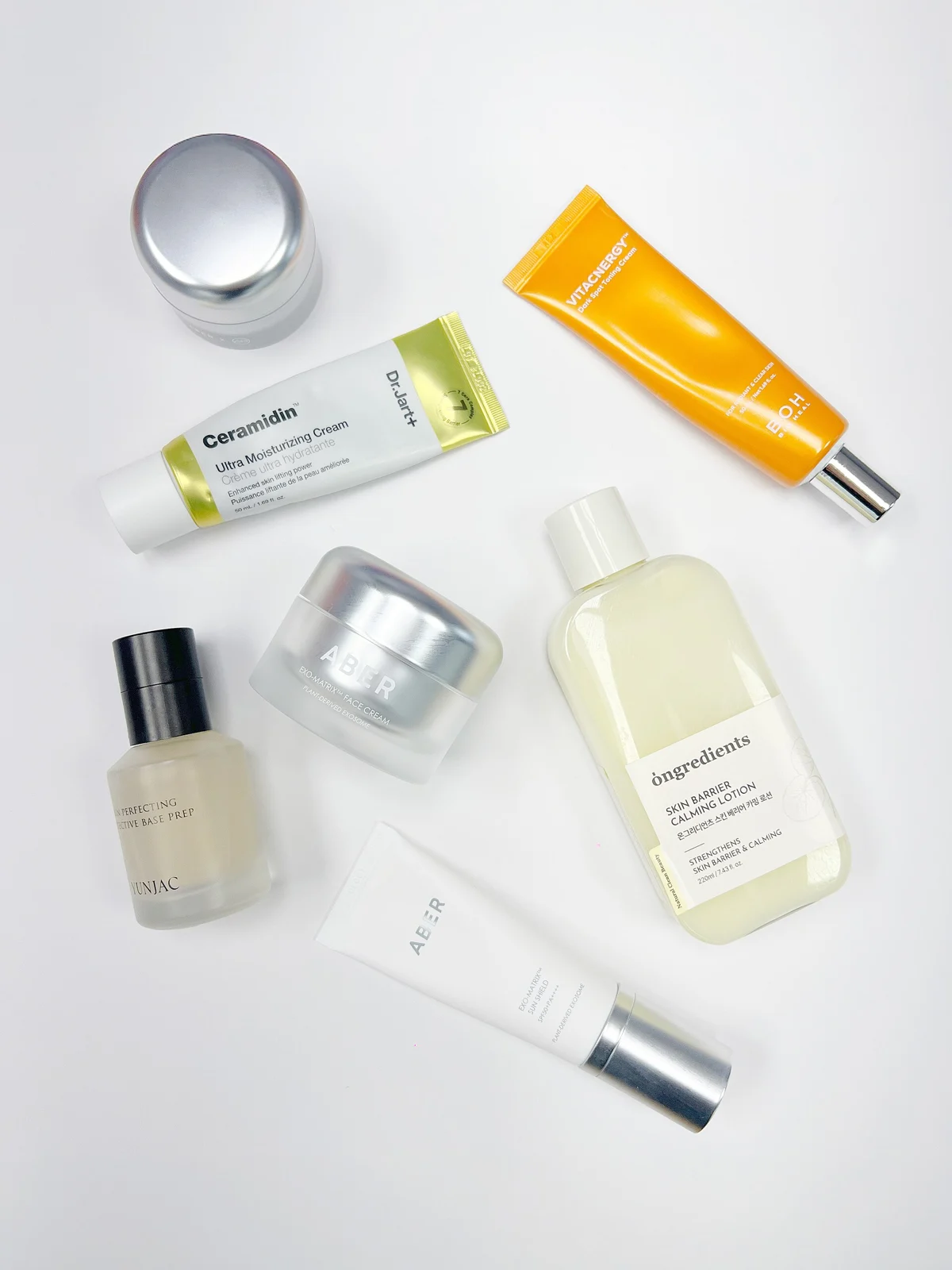
An unscented cosmetic can sound like the obvious choice when you do not want added fragrance. The words answer different questions, however. FDA explains that some unscented cosmetics contain fragrance ingredients used to mask other smells. A quiet-smelling product therefore does not establish the absence of added fragrance. Keeping that distinction visible helps you make a clearer enquiry without turning a package description into a prediction about your skin.
| Invented description | Question still to keep separate |
|---|---|
| A: unscented | Does this exact formulation contain added or masking fragrance ingredients? |
| B: fragrance-free, noticeable smell | What does the actual ingredient information establish, rather than smell alone? |
Keep the sensory wording separate
FDA's consumer information about cosmetic wipes says unscented typically describes a lack of noticeable scent, while masking fragrance may still be present. It also explains that a fragrance-free cosmetic should not contain added fragrance ingredients, yet other ingredients can give it a noticeable smell. These are FDA's explanations of cosmetic wording, not a safety certification for any item in your basket.
The page notes that FDA has no regulations governing those particular terms, while cosmetic labeling must be truthful and not misleading. Do not turn this guide into a legal verdict about a seller, or transfer an unrelated household-cleaner certification to a cosmetic. We are comparing the questions the words leave open.
Two imagined packages leave different enquiries
Imagine Cosmetic Wipe A described as unscented. Nothing else about its ingredient list is supplied in this example. If your question is whether it contains added fragrance ingredients, the word alone leaves that unresolved. The next step is to obtain the actual current ingredient information or ask the maker, rather than conclude that the absence of an obvious scent has answered it.
Now imagine Cosmetic Wipe B described as fragrance-free, but with an ordinary noticeable smell. FDA's explanation means those descriptions need not contradict each other merely because of the smell. The example does not verify B's formulation or approve its claim. Both packages are invented, and neither has been inspected, smelled or used here.
Ask about the exact formulation
A bounded maker question could read: “For this exact product and current formulation, does the unscented description include any added fragrance or masking fragrance ingredients?” Keep the precise product name with the answer so it does not become an assumption about an entire range. FDA also points readers with fragrance questions toward careful ingredient-list reading and contacting the manufacturer.
If an individual allergy, sensitivity or reaction is the concern, these two words cannot diagnose it or establish that a product will suit you. Seek appropriate professional advice for that personal question. For an ordinary purchase preference, compare the complete actual information and directions before choosing the quantity. A larger pack or a bundle adds no certainty to an unresolved ingredient enquiry, and deciding to wait is a valid shopping outcome.
Sources & further reading
Published sources for the details and examples discussed in this story.