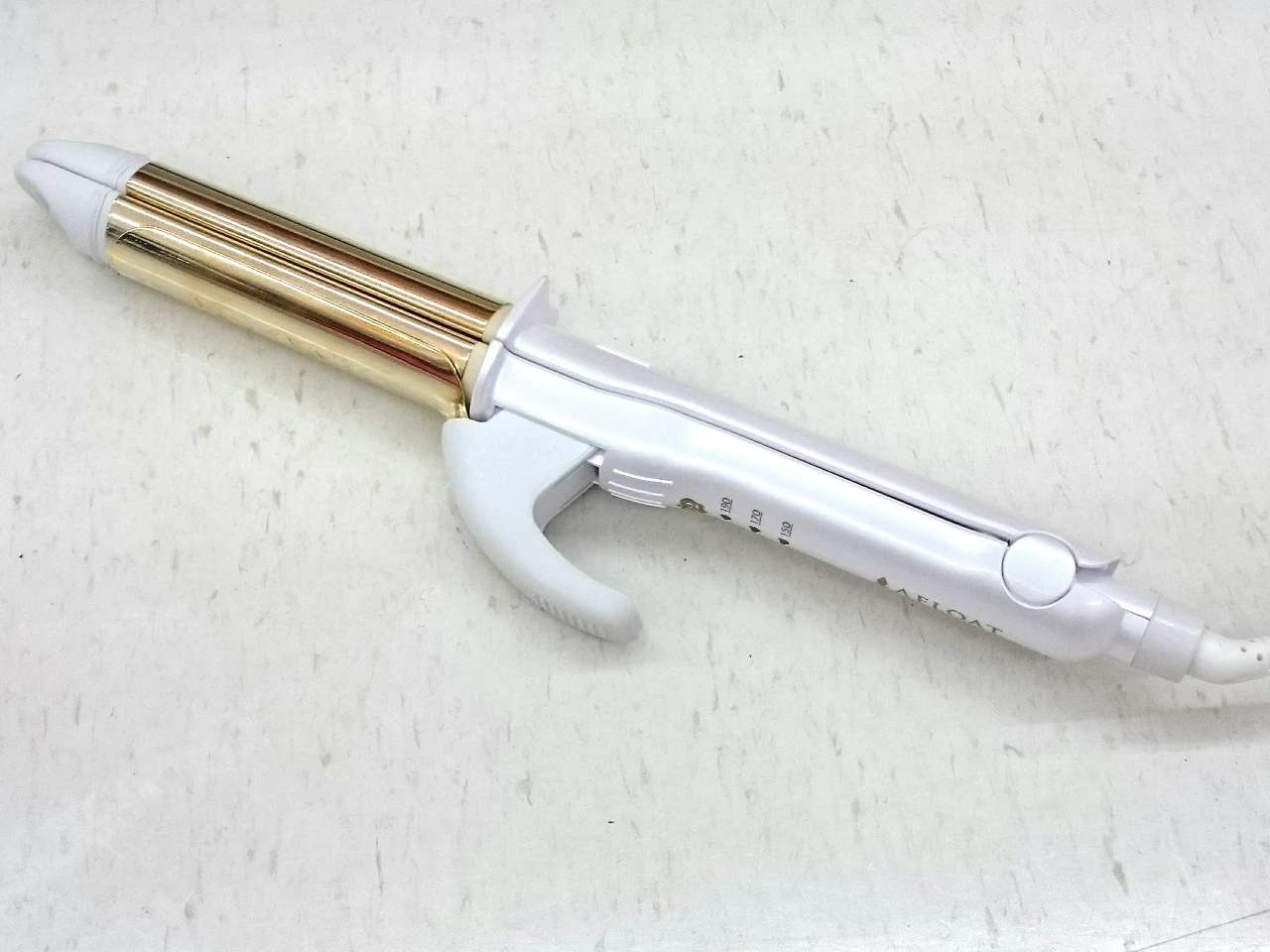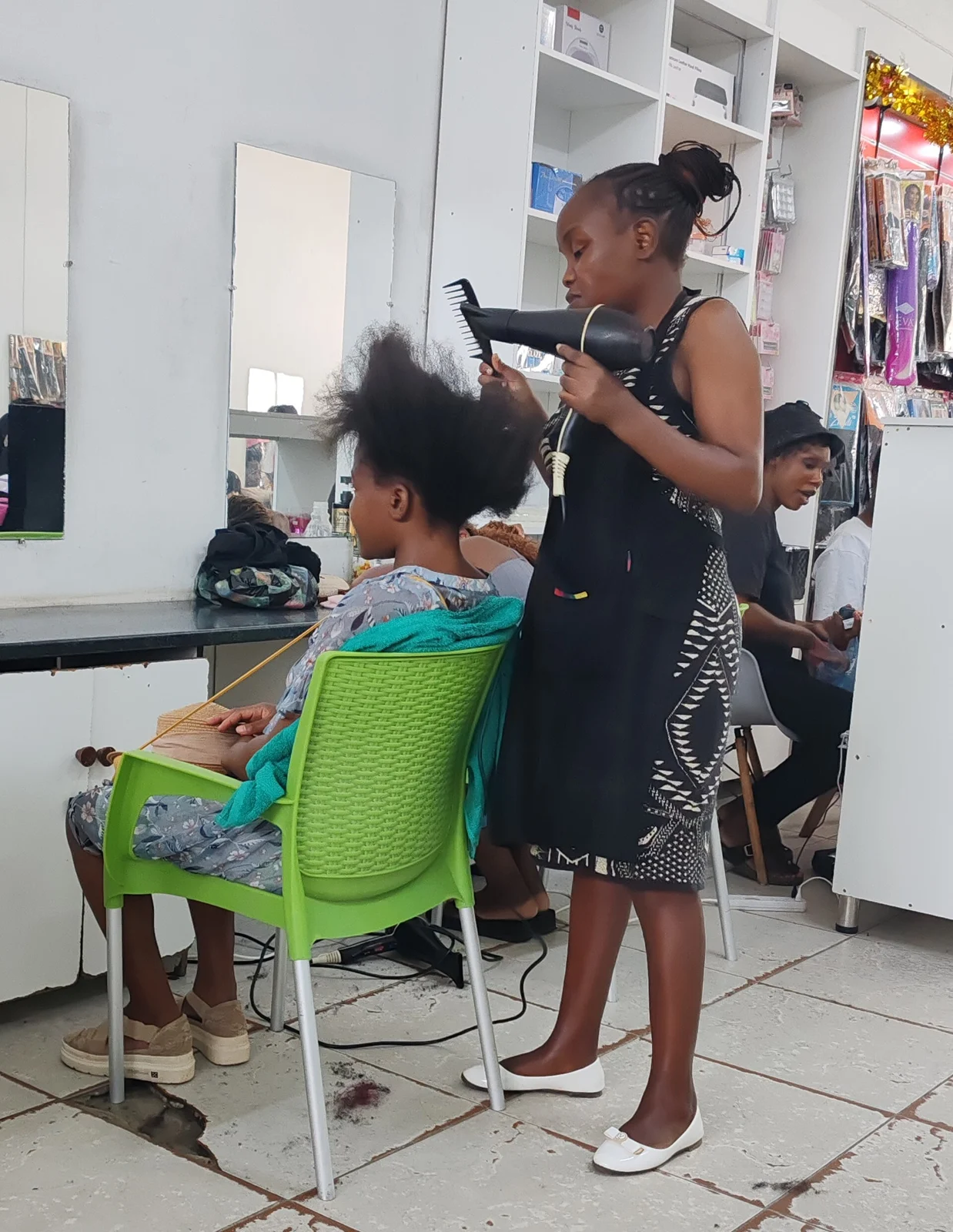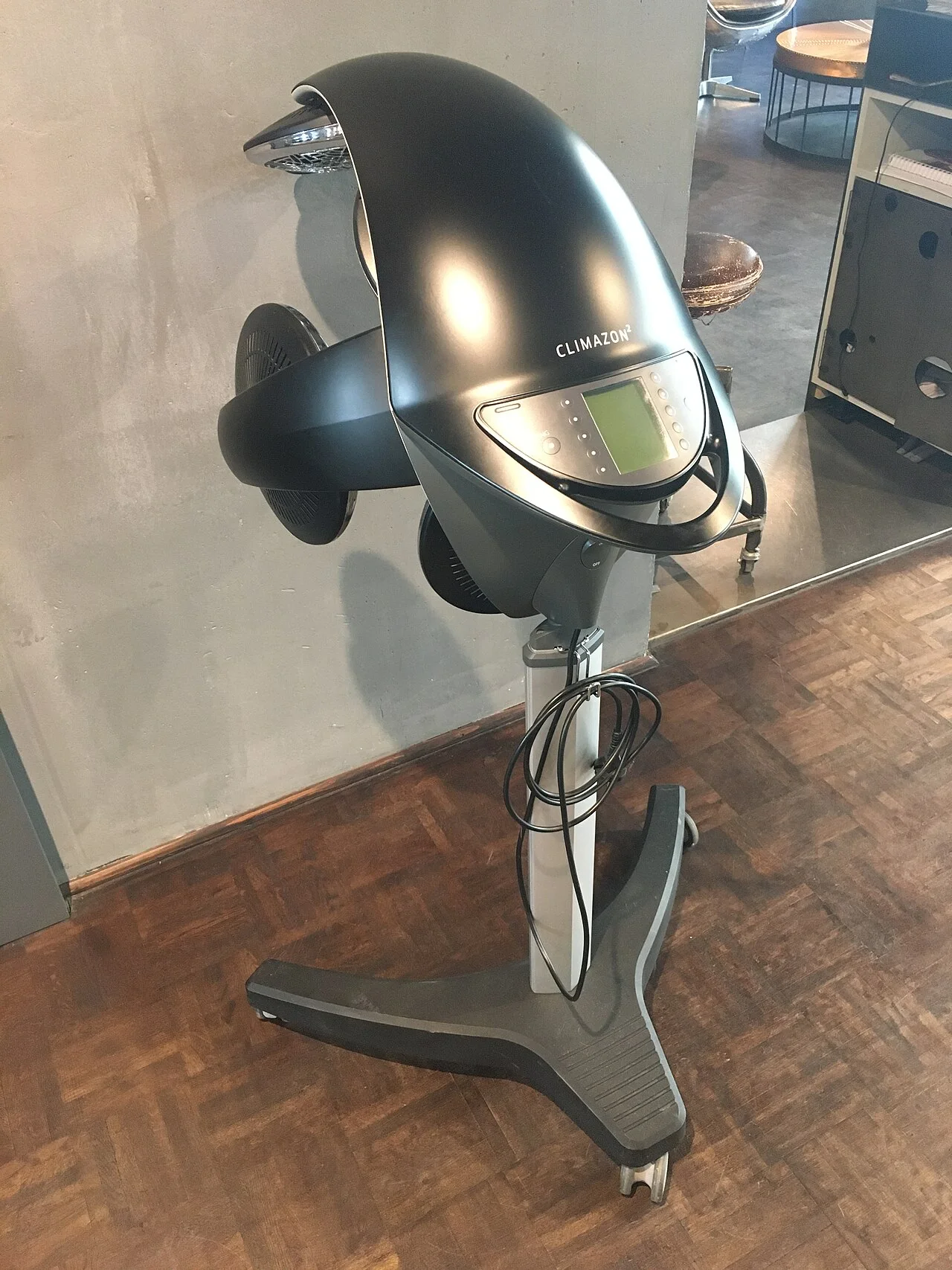
A wash-day shopping list is easier to understand when each product has a job. Shampoo and conditioner need not go in the same places, and a routine for fine straight hair need not copy one for dry curly hair. The American Academy of Dermatology’s healthy-hair guidance provides the boundaries for these two fictional planning notes. They describe general care, not a wash we performed, a scalp diagnosis or a treatment for hair loss.
Begin with the actual hair and directions
AAD links washing frequency to dirt and oil rather than one schedule. Choose products for the actual hair type and read their directions. The planning question is what each step is meant to do.
For an original planning example, imagine Alex with fine straight hair and Morgan with dry curly hair. Neither person has reported symptoms or received an assessment in this article. The examples are ways to organize published care advice, not instructions to diagnose a hair type from a picture or copy an influencer’s full product collection.
Write a short plan for fine straight hair
Alex’s fictional note can say: “Shampoo the scalp; place suitable conditioner mainly at the ends, following its directions.” Keeping the locations separate makes the two product roles visible without prescribing a particular formula.
For straight hair, AAD describes allowing some drying before gentle wide-tooth combing. Alex’s note leaves the actual comb and finish untested. The next purchase should answer a real missing task, rather than complete a matching display.
Change the plan where the hair requires it
For Morgan’s dry curly hair example, AAD extends conditioner through the length and describes gentle detangling before rinsing. The revised note changes placement and handling; it does not merely replace Alex’s product with a differently colored bottle.
That difference is the point of the comparison. The two plans share broad tasks, but the placement and handling are not interchangeable. Follow the actual product directions and seek appropriate professional advice if unsure. Pain, persistent scalp problems or hair loss deserve assessment rather than another speculative change to a wash-day schedule.
Finish without turning heat into a shortcut
AAD recommends absorbing water rather than rubbing, and limiting heat with low or medium settings when used. Follow the actual tool instructions. A premium dryer does not establish that stronger heat is suitable.
Before purchasing, compare the missing task with what is already available: suitable cleansing, appropriate conditioning, gentle detangling or manageable drying. The complete routine may need fewer products than a matching range contains. Record actual preferences only after real use, and keep those preferences separate from claims of improved growth, repaired damage or a clinical outcome.
Sources & further reading
Published sources for the details and examples discussed in this story.