A useful food idea can become an unhelpful household project when it arrives as a demand to replace everything. A person curious about whole grains might want one additional option, while other people at the table want familiar bread, rice or breakfast. Those wishes do not have to become a contest over whose food is better. The three situations below are invented. They explore how an option could fit a meal people already recognize, rather than present a tested menu or a prescription for what anyone should eat.
Start with what the term describes
USDA's Food Buying Guide defines a whole grain through the parts of its kernel: bran, germ and endosperm. Its examples include whole wheat, brown rice and rolled oats. That guide serves Child Nutrition Programs; this feature uses its general definition and examples, not its program eligibility rules or meal requirements. A grain's identity is a different question from whether a complete meal suits a particular person.
The definition also does not rank family traditions. A familiar refined-grain staple can carry a relationship to an occasion, a household routine or a preferred texture that the phrase whole grain does not explain. Start by asking what you want to add. Changing every food with a similar name would answer a much larger question than curiosity about one option requires.
A bread breakfast that keeps its other rituals
Imagine a household that eats toast with familiar accompaniments. One person wants to explore whole-wheat bread. The proposed change is one bread choice alongside the same ordinary breakfast arrangement, not a new identity for the meal. Other people need not be described as failing because they prefer the existing loaf. This is a fictional conversation, not a claim about what a particular culture traditionally eats.
Before buying a large supply, consider whether the actual product belongs in the meals you already make. A loaf that sounds appealing in an abstract nutrition conversation may have no comfortable place in the household's routine. Product ingredients, relevant dietary restrictions and storage directions still need their own attention. The phrase whole wheat does not settle those matters.
A rice meal with room for two preferences
In a second imagined home, rice accompanies a well-loved stew. Someone is interested in brown rice, but the rest of the household does not want the familiar rice permanently displaced. An occasional separate choice could be the subject of the conversation. That leaves the stew and the meaning of the meal intact without promising that two grains cook the same way.
Do not turn this idea into a universal instruction to mix uncooked grains or use one cooking schedule. Follow the actual product's directions for anything you prepare. The question here is social and practical: can an interested person explore an option without making everyone else's meal an unwanted experiment? No recipe, preparation time or result has been tested for this example.
An oats breakfast that is not a correction
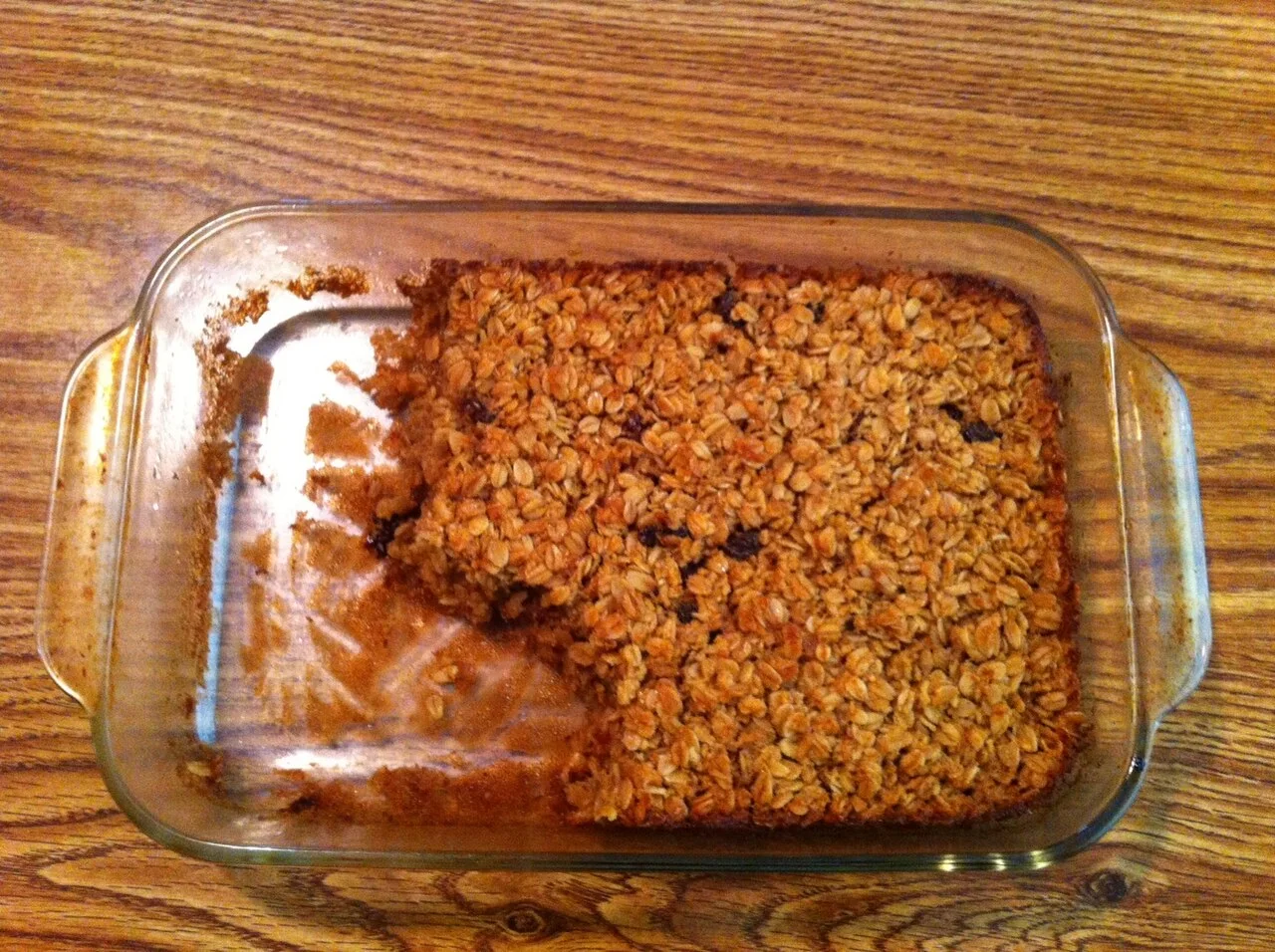
The third invented household separates a person's own weekday breakfast from a shared weekend meal. On weekdays, that person already enjoys a rolled-oat breakfast when eating alone. At weekends, the household likes its familiar bread-based breakfast together. After becoming interested in whole grains, the person wonders whether the shared meal should now become an oat breakfast too. The alternative is to keep the oats in the weekday occasion where they are genuinely wanted and leave the shared weekend meal unchanged.
I would start with that second choice in this fictional situation. It gives the whole-grain food a concrete place without making a different breakfast tradition compete for permission to remain. Before buying a larger oat supply, the person can consider the meals they actually intend to use it for, rather than assume everyone will adopt a new weekend dish. This is no recipe, intake target or verdict on either breakfast's complete nutrition. Personal dietary restrictions still need their own attention, and no one has to accept the proposed arrangement simply because it contains a whole-grain example.
Sources & further reading
Published sources for the details and examples discussed in this story.